
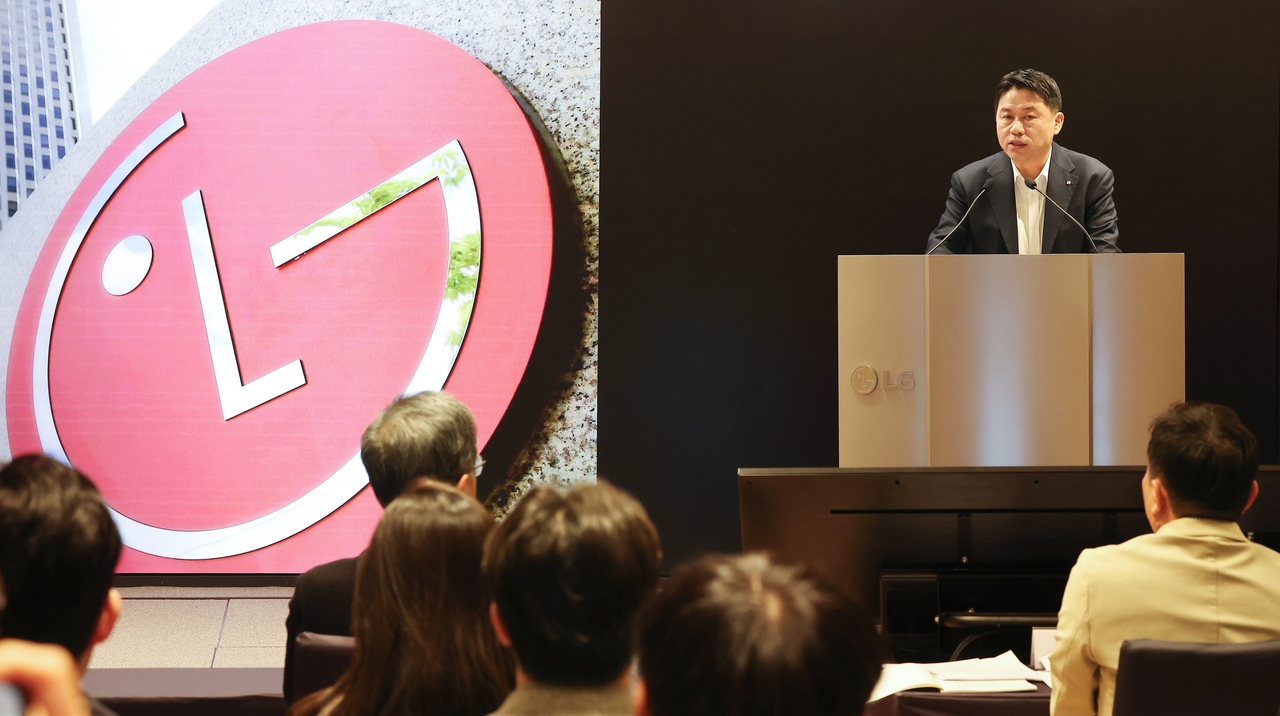
LG Electronics put every Korea-based executive through a two-day AI transformation program at its Digital Park campus in Pyeongtaek, Gyeonggi Province, as the company moves to integrate artificial intelligence into all its operations.
The mandatory sessions, held earlier this month, had participants working directly with AI tools, including LG's in-house Exaone model, OpenAI's ChatGPT and Google's Gemini, on tasks ranging from building workflow automation agents to generating AI-assisted reports, according to industry sources.
The training follows a pointed commitment from CEO Lyu Jae-cheol, who took over in December. Speaking at the company's annual shareholders' meeting on March 23, Lyu defined AI as the primary instrument for overhauling how LG Electronics works.
"We will combine AI solutions with our unrivaled manufacturing capabilities and improve productivity by 30 percent within two to three years," he said.
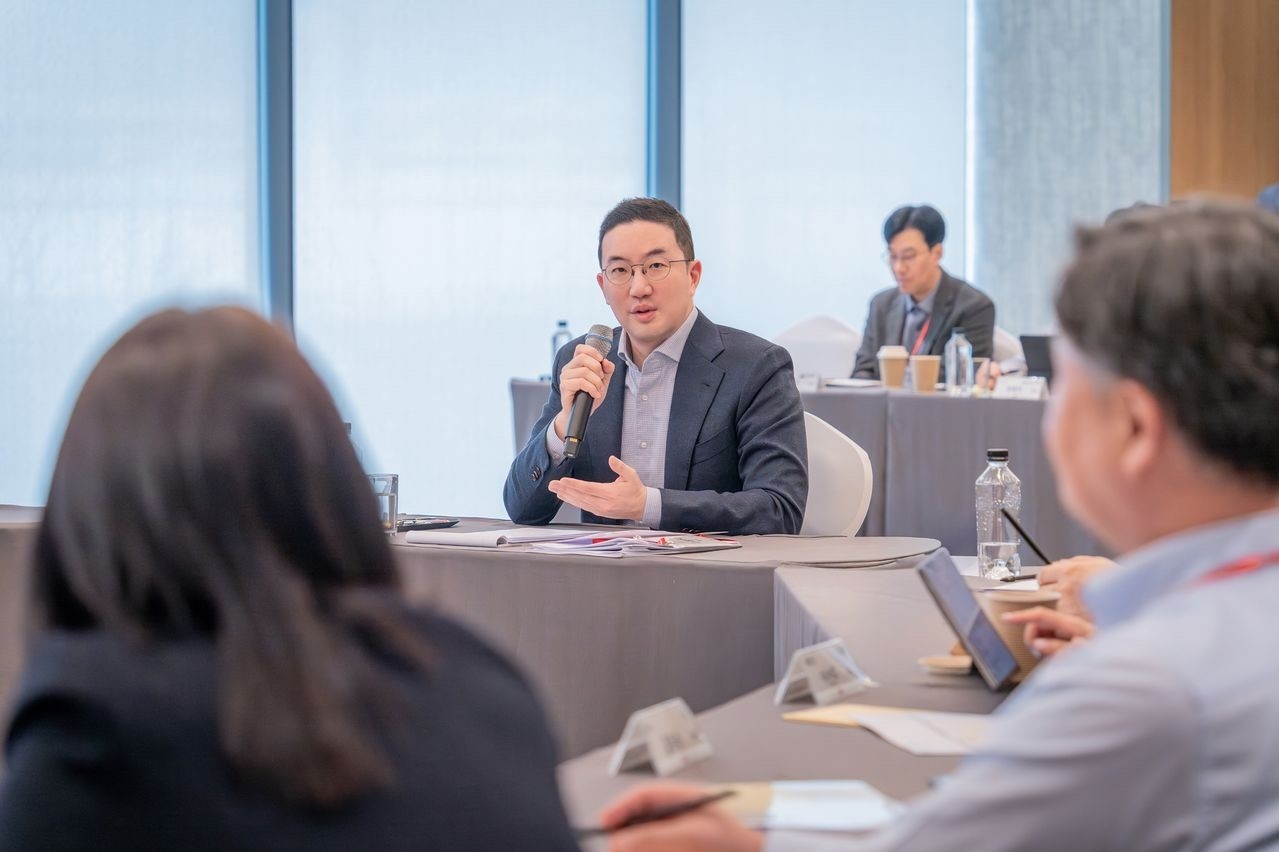
Days later on March 25, LG Group Chairman Koo Kwang-mo delivered a similar message to some 40 group presidents gathered in Seoul, calling for execution over planning. "Speed is what matters most in AX," Koo said, adding that "CEOs and business heads must personally direct" the transformation rather than delegate it.
The urgency has a financial backdrop. LG Electronics posted record revenue of 89.2 trillion won ($58.4 billion) in 2025, but operating profit fell 27.5 percent to 2.48 trillion won, weighed down by losses in its TV division and one-off restructuring costs.
LG says several internally developed AI systems are already producing measurable results. Chatda, a data analytics system built with Microsoft, lets employees query large datasets through conversation rather than manual analysis, cutting what used to take three to five days to about 30 minutes.
The tool has also informed product tweaks for specific markets. In India, Chatda found that customers opened their refrigerators much more often than elsewhere, so LG added a feature that helps keep the internal temperature steady to keep food fresh in the heat. In Brazil, data showed customers washed clothes in small batches throughout the day, so LG put the quick-wash option first on the display.
LGenie, the company's internal AI assistant, handles tasks like document summarization, knowledge search and code analysis for employees, processing over 700,000 requests per month. Built for a workforce spread across dozens of countries, it provides real-time interpretation in 71 languages, logging over 1,200 hours of use each month.
In customer service, the results are similarly concrete. After deploying AI-powered contact center tools, unnecessary technician dispatches dropped 37 percent, and 14 percent of agents who had been fielding routine inquiries were reassigned to more complex cases, according to LG Electronics.
By Moon Joon-hyun (mjh@heraldcorp.com)