
LG Energy Solution pivots to ESS, bundling software, design and installation
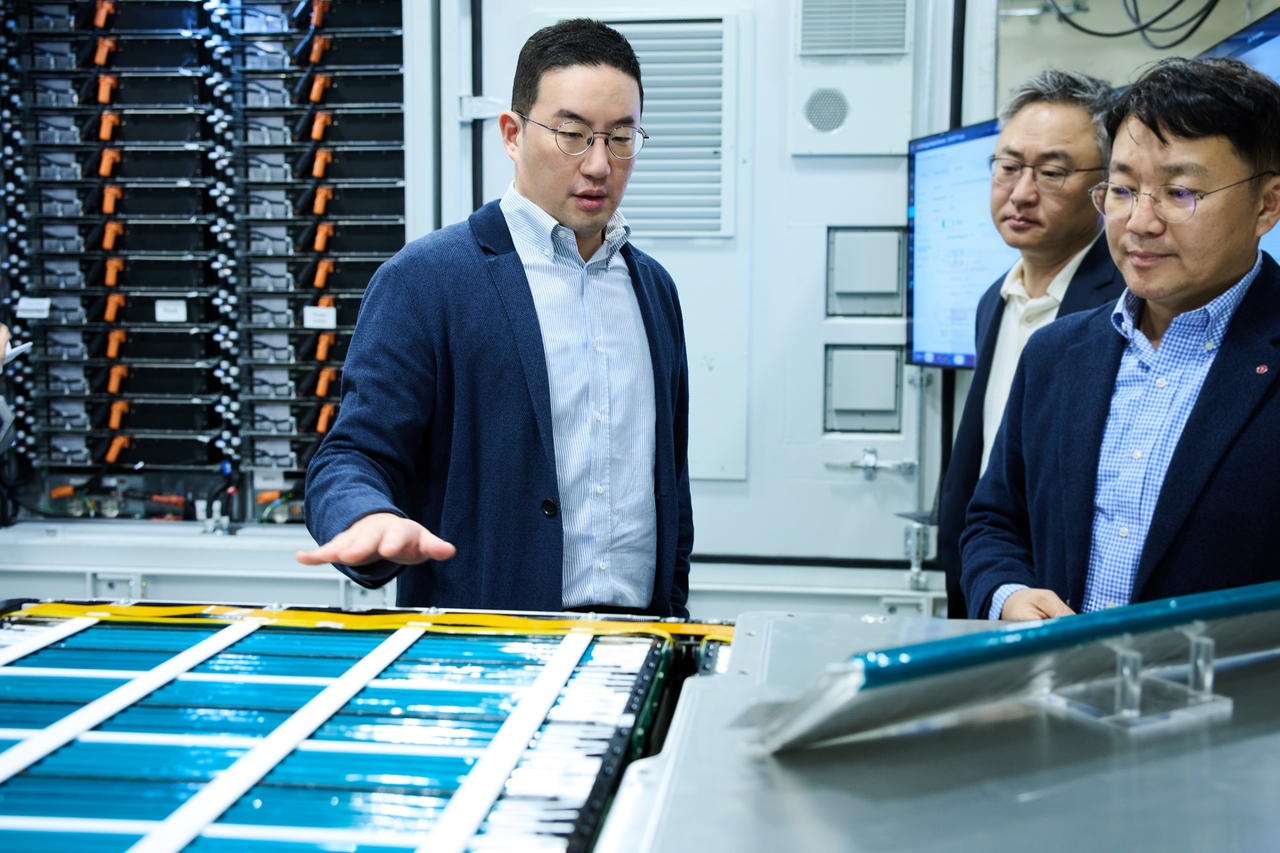
LG Group Chairman Koo Kwang-mo called for a shift toward integrated energy solutions during a recent visit to the US, as the conglomerate positions its battery business to capture rising demand from AI infrastructure markets.
Koo visited Vertech, the North American system integration unit of LG Energy Solution, on Monday, where he stressed the need to move beyond hardware supply and strengthen software-driven capabilities.
“LG must secure a business base that remains resilient under any external conditions,” Koo said, adding the group should build “integrated solutions capabilities that deliver higher value to customers” to establish a leading market position.
The visit underscores LG’s push to tap into surging demand for energy storage systems, fueled by the rapid expansion of AI data centers, electrification and renewable energy.
Koo framed the integration of hardware and software — spanning battery manufacturing, system design and energy management — as a key competitive edge as power demand grows more complex in AI-driven environments. ESS is increasingly used not just for storage, but to stabilize supply and optimize power loads in high-performance computing.
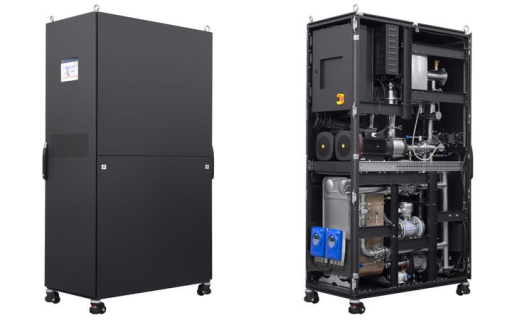
LG said its battery affiliate has been aligning its strategy with this shift. LG Energy Solution has adopted lithium iron phosphate batteries, now widely used in the global ESS market, and is converting five North American production sites into ESS-focused facilities. It added that it is currently the only company manufacturing and supplying ESS batteries in the region.
Vertech plays a central role in that strategy, offering end-to-end capabilities including design, installation, maintenance and software-based operations. Its energy management system enables real-time monitoring and control of ESS installations, allowing LG to deliver bundled solutions.
The global ESS market is projected to grow from about 300 gigawatt-hours last year to roughly 750 gigawatt-hours by 2030, according to energy market research firms.
Koo’s trip also included a visit to Brazil, underscoring LG’s parallel push into emerging markets. He reviewed operations at LG Electronics’ production and retail sites, following earlier visits to India and Indonesia, as the group accelerates expansion across the so-called Global South.
Brazil, Latin America’s largest economy, is a key market in that strategy. LG Electronics is building a new refrigerator plant in Parana state, scheduled to begin operations in July, aimed at overcoming trade barriers and strengthening its regional presence through localized production.
Koo’s latest overseas tour reflects LG’s effort to anchor future growth in AI-linked energy infrastructure while expanding its footprint in high-growth markets.
At the group’s first executive meeting of the year on Feb. 25, Koo stressed urgency in AI transformation, saying execution matters more than perfect planning.
By Jo He-rim (herim@heraldcorp.com)