

Rare midyear reshuffle signals urgency as Chinese rivals intensify pressure
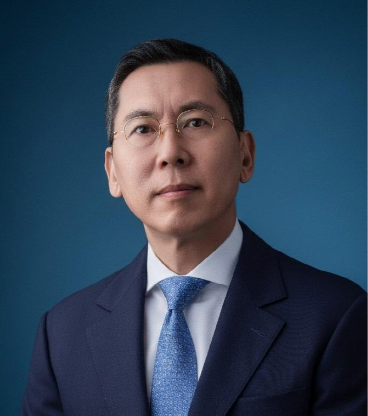
Samsung Electronics has appointed marketing veteran Lee Won-jin to lead its TV business in a rare midyear reshuffle, signaling a strategic pivot as the division faces slowing demand and intensifying competition from Chinese rivals.
The company said Monday that Lee, currently head of global marketing for its device experience division, will take over as president and head of its visual display business. His predecessor, Yong Seok-woo, will move into an advisory role supporting the device experience chief, Samsung said.
The “one-point” appointment — outside Samsung’s traditional year-end personnel cycle — underscores the urgency of reviving a once-core business where profitability has come under pressure. It also marks a notable break from the company’s long-standing practice of appointing hardware engineers to lead the TV division.
Lee is a former founding chief of Google Korea and the first Korean to serve as a vice president at the Google headquarters. He joined Samsung in 2014 to lead the visual display division’s service business team and has since been credited with building the foundation for the company’s TV and mobile services operations. He was promoted from executive vice president to president in 2021.
“Lee is an expert in content, service and marketing who has played a pivotal role in establishing the foundations for Samsung Electronics’ TV and mobile service businesses,” Samsung said.
“Drawing on his track record of business success and market insight, he is expected to spearhead business turnarounds and identify new growth areas, further strengthening the competitiveness of the visual display business.”
Samsung is seeking to expand content, advertising and subscription-based services to offset weak TV demand and rising cost pressures. Platforms such as Samsung TV Plus — an ad-supported free streaming service — and the Samsung Art Store are expected to play a central role, linking hardware to recurring revenue streams.
Samsung Electronics has held the global No. 1 TV sales position since 2006, but the business is under mounting pressure from weak demand and aggressive pricing by Chinese rivals.
The company retained the top spot last year with a 15 percent shipment share, according to Counterpoint Research, but Chinese brands collectively reached 25 percent, fueling expectations they could soon overtake Samsung by volume.
The tech giant’s TV and home appliance division posted consecutive operating losses in the third and fourth quarters last year, with the fourth-quarter deficit widening to 600 billion won ($408 million) and dragging the full-year result to a 200 billion won loss.
The unit returned to a 200 billion won operating profit in the first quarter this year, but rising raw material costs are expected to weigh on profitability through the rest of the year.
As part of a broader reset, Samsung has launched a sweeping overhaul of its TV and home appliance businesses, closing low-margin production lines and shifting resources to more competitive segments. In TVs, the company plans to halt sales in China within the year and double down on higher-performing markets such as the United States.
The company reaffirmed this strategy during its first-quarter earnings call last month, saying it would “solidify” its global leadership through differentiated products, marketing and proactive service expansion. Lee is expected to leverage his background in digital advertising and artificial intelligence-driven services to support that push.
In the near term, Samsung is likely to ramp up marketing around major demand catalysts such as the FIFA World Cup in North America in June. At the same time, it is broadening its AI push across the product lineup, embedding AI features in everything from premium OLED and Neo QLED models to entry-level UHD TVs to drive adoption and shipment growth.
By Jo He-rim (herim@heraldcorp.com)