
Exclusive factory tour reveals how precision manufacturing, tight security and expanded capacity are powering Korean botulinum toxin leader's global growth
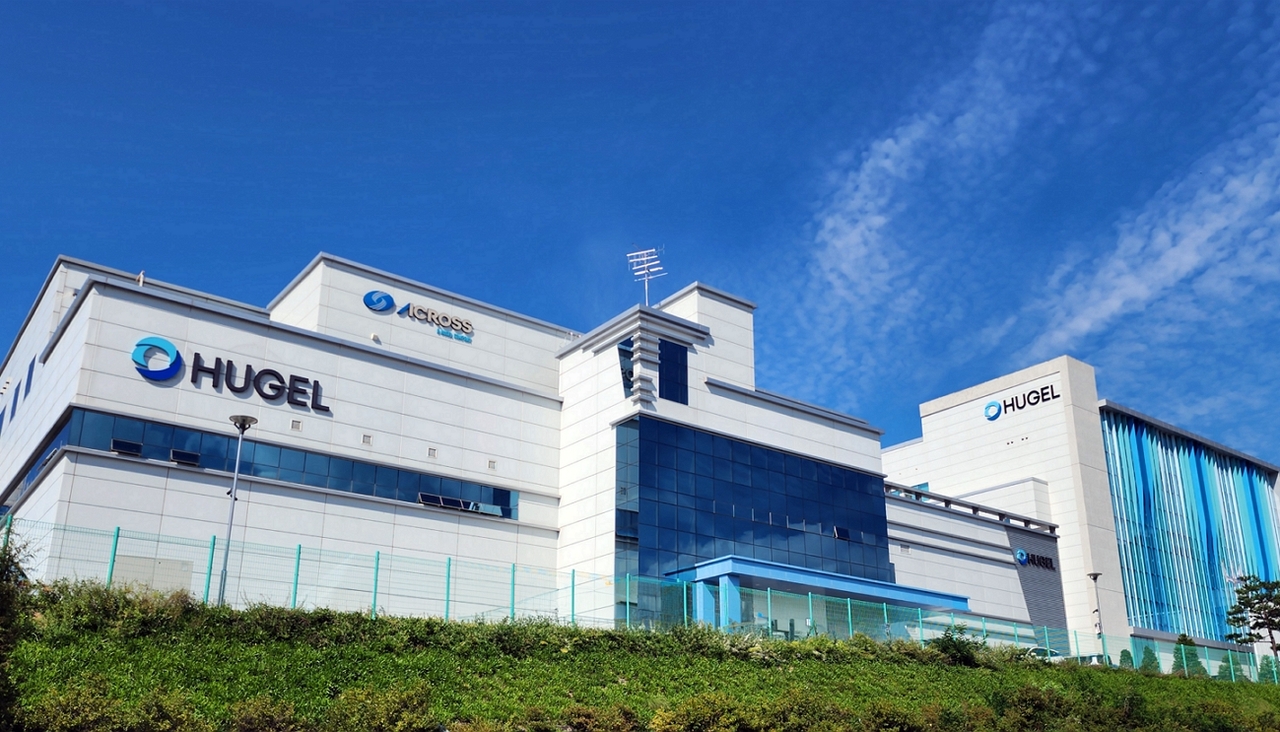
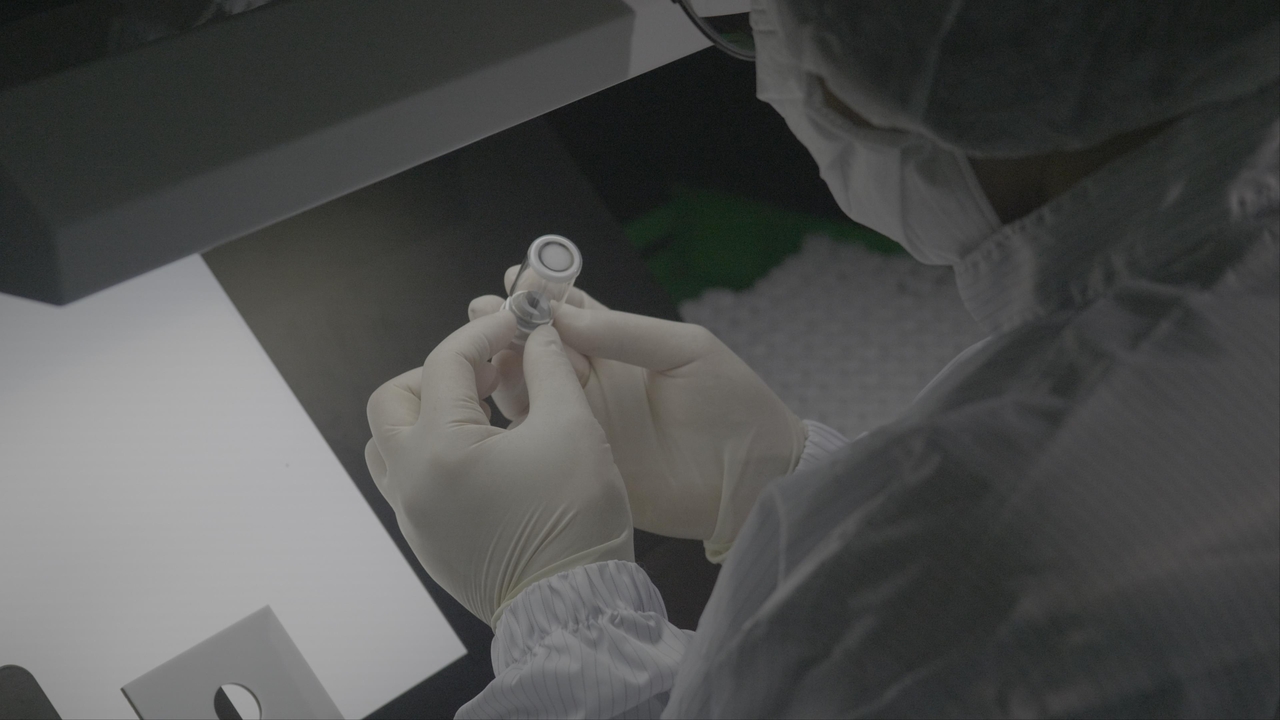
CHUNCHEON, Gangwon Province – A tube thinner and shorter than a thumb, holding what looks like little more than a drop or two of clear liquid, sat locked inside an ultralow-temperature freezer at minus 80 degrees Celsius in Building A of Hugel’s Geodu factory in Chuncheon, Gangwon Province, on Thursday.
“That tiny tube is enough to produce more than 25,000 vials of botulinum toxin,” said Seol Hee-soo, managing director at Hugel.
That little tube was among the most tightly guarded assets inside Hugel’s manufacturing complex, where biometric access controls, multiple layers of sterilization and extensive surveillance protect what Korea classifies as a national core technology. The toxin storage room is under the watch of the National Intelligence Service.
“Only 18 specially certified employees are authorized to enter the (toxin production) facility,” said Seol. “Fingerprint and iris recognition systems regulate access throughout sensitive areas, while contamination prevention relies on multiple physical and biological containment measures.”
Walking through the facility offered a glimpse into why producing botulinum toxin is far more than an exercise in large-scale manufacturing. Every step — from cultivating bacterial strains and purifying the toxin to freeze-drying, packaging and storing, and temperatures — required almost perfect consistency. That emphasis on consistency has become increasingly important as Hugel ramps up overseas expansion.
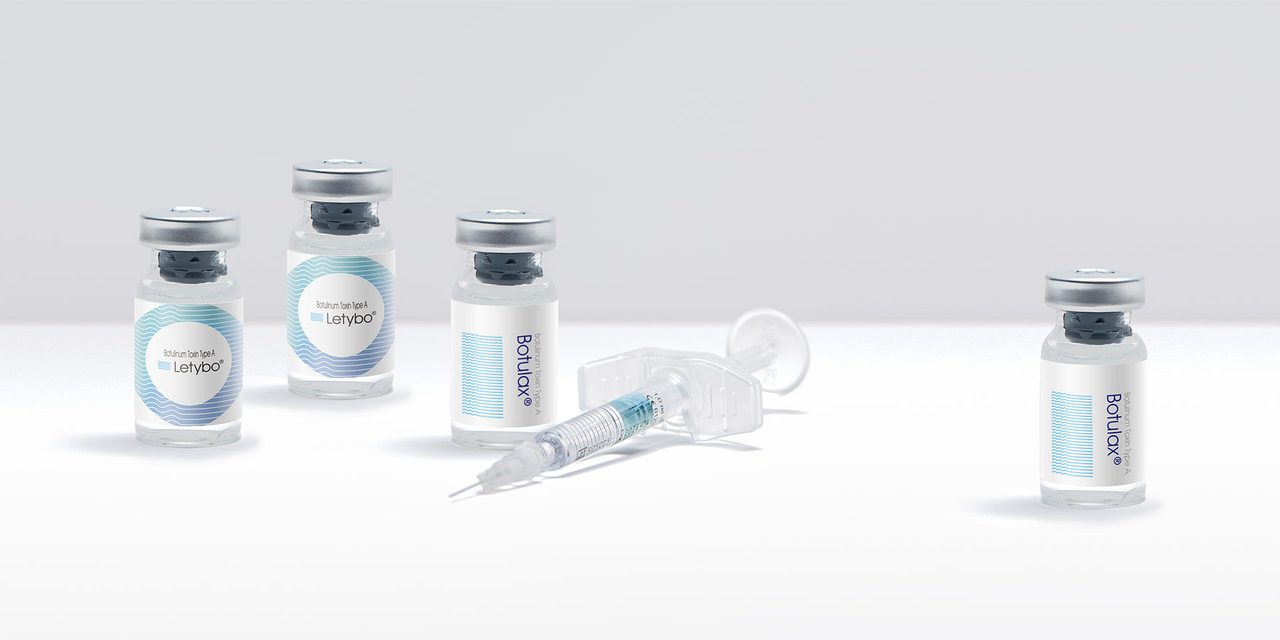
The company now supplies its flagship botulinum toxin product Botulax, marketed as Letybo in some countries including the United States, to more than 70 markets after securing approvals across the US, Europe and China.
Overseas sales now account for roughly 69 percent of toxin revenue, reflecting the company's transformation from a domestic aesthetics maker into a global botulinum toxin supplier. Hugel logged 425.1 billion won ($279 million) in sales and 200.9 billion won in operating profit in 2025. The firm’s average compound annual growth rate was 16.4 percent over the past five years.
According to market researcher Pristine Market Insights, Hugel has risen to become the world's fifth-largest player in the global botulinum toxin market, trailing multinational giants such as AbbVie and Galderma.
To cope with its cross-border growth, Hugel began commercial production at Building B of its Geodu factory in April last year. Annual production capacity more than doubled to 13 million vials — 5 million from the original Building A and another 8 million from the new facility.
“At this moment, we believe that we have enough production capacity to stably cope with global demand,” said Seol.
“But as the toxin market is continuously growing with Hugel keeping up its growth, additional capacity expansion is a matter of timing. We will decide on that after comprehensively reviewing the trends of global demand and market changes in the future.”
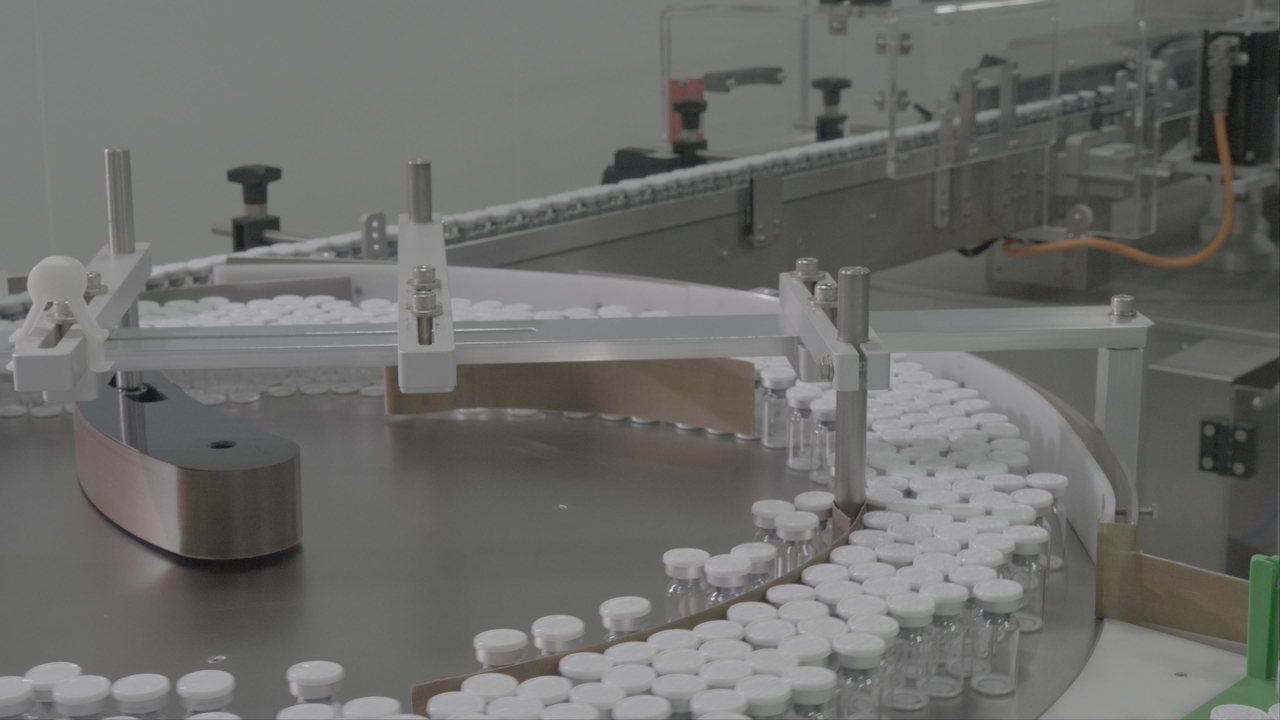
During the drug production stage, employees closely monitored the systemized filling process while automated guided vehicles quietly transported racked vials between production stages. According to Hugel, about four hours are required to fill about 25,000 vials before they enter freeze dryers for a 16-hour cycle that transforms liquid toxin into the familiar powder form.
“Building B improved the production line to deliver roughly 1.6 times the output of Building A,” said Seol. “We expect to shorten finished-product manufacturing time by about 40 percent at the newer site.”
According to Seol, the company has submitted a Prior Approval Supplement to the US Food and Drug Administration to register the new manufacturing site and plans to sequentially pursue approvals in other major overseas markets beginning next year.
Hugel is also validating a vacuum-drying process that it plans to submit for regulatory approval later this year. Compared with traditional freeze-drying, the firm underscored that vacuum drying could substantially reduce processing time and improve manufacturing efficiency.
Apart from business-oriented technology and production, Hugel pointed out that it holds an annual memorial ceremony for laboratory animals used in potency testing, where executives, veterinarians and members of its independent animal ethics committee pay tribute to the animals sacrificed in research.
“The ceremony underscores a broader reality of biologics manufacturing: precision depends not only on machines, but also on the people and principles that govern them,” said Hugel.
By Kan Hyeong-woo (hwkan@heraldcorp.com)