
Chinese report links domestic memory to Xiaomi’s new processor weeks after SK hynix emerged as expected first supplier

China’s largest memory maker CXMT has emerged as a prospective LPDDR6 supplier for Xiaomi’s new Xring O3 processor, less than a month after SK hynix was reported as Xiaomi’s expected first supplier of the same next-generation mobile memory.
The Beijing News reported Tuesday, citing supply-chain sources, that CXMT’s LPDDR6 “will be the first domestically produced memory to be paired with the Xring O3” and enter commercial use.
LPDDR6 is the latest low-power DRAM standard for smartphones and other mobile devices, with higher bandwidth for on-device artificial intelligence.
The report goes beyond earlier Chinese coverage, which had placed CXMT’s LPDDR6 near the end of R&D validation but had not tied it to a specific commercial device platform.
It also follows a Korean media report in late July that cited industry sources as saying Xiaomi was expected to become the first customer for SK hynix’s LPDDR6, which the company plans to begin supplying in the second half.

SK hynix said at the time that it could not confirm customer information. Xiaomi has not disclosed how it plans to source LPDDR6 for devices using the O3, leaving unclear whether CXMT and SK hynix could both be suppliers.
The Beijing News said CXMT had been supplying LPDDR6 samples to key customers since March and that validation was “nearing completion” this month. It said the company had made a “key leap” from technological catch-up toward competing alongside major global suppliers in the development and production window for LPDDR6.
Earlier this month, Chinese business outlet Yicai reported that CXMT’s LPDDR6 had “neared the end of R&D validation,” calling that stage “an important step before mass production.”
Yicai said mobile memory products typically move through chip-level validation, R&D validation, small-batch introduction and then formal mass production.
Neither report confirms that CXMT has begun volume production or commercial shipments of LPDDR6.
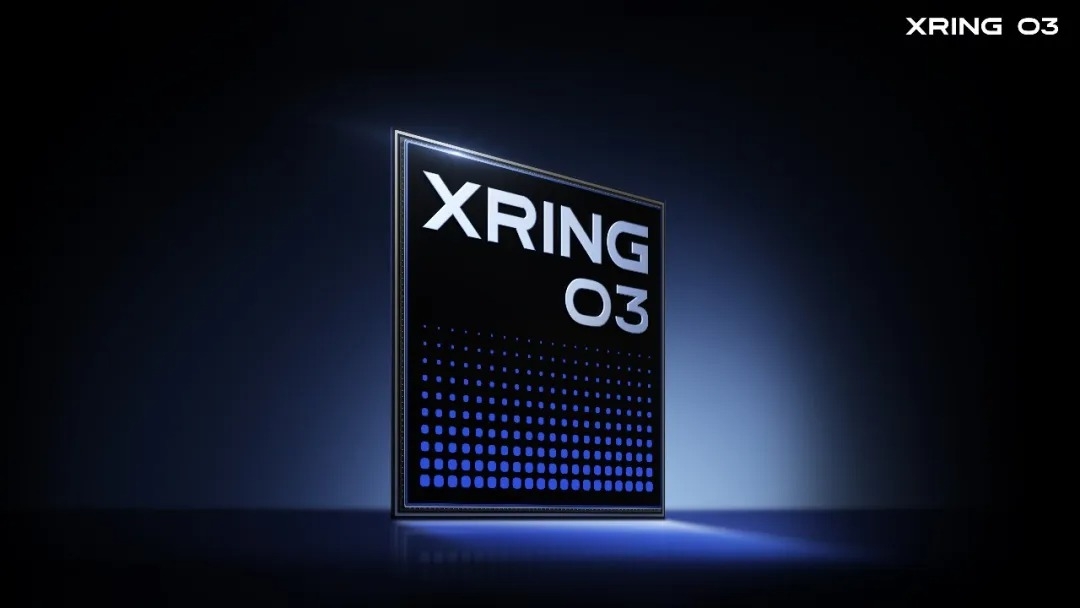
Xiaomi unveiled the Xring O3 on Monday, a year after introducing its first flagship in-house smartphone processor. Founder and CEO Lei Jun said the O3 is the first mobile system-on-chip to support LPDDR6 and offers memory bandwidth of 113.8 gigabytes per second, 48 percent more than the previous-generation O1.
Reuters reported, citing people familiar with the matter, that TSMC will manufacture the O3 on its 3-nanometer process. The chip is expected to power Xiaomi’s upcoming flagship foldable phone. One source told Reuters that Xiaomi was targeting shipments of 200,000 to 300,000 units.
Samsung Electronics also unveiled its LPDDR6 at CES 2026 in January, though it has not disclosed a specific mass-production timetable.
Samsung, SK hynix and Micron still dominate global DRAM. Counterpoint Research put their combined revenue share at 89 percent in the first quarter of 2026. CXMT held 8 percent, up from 3 percent a year earlier, as the Chinese chipmaker expanded its presence in mainstream DRAM and moved into newer memory generations.
By Moon Joon-hyun (mjh@heraldcorp.com)