
HIT Forum speakers urge patient reform while warning MSCI upgrade could bring unexpected trade-offs

South Korea’s capital market needs consistent reforms, greater stability and broader sources of growth to attract global investors for the long term, market experts said at The Korea Herald’s HIT Forum in Seoul on Tuesday.
Held under the theme “What Will Make Global Capital Stay?” the panel brought together Alexander Treves, managing director at J.P. Morgan Asset Management; Frank Benzimra, head of Asia equity strategy at Societe Generale; Park Jeong-woo, Nomura’s senior economist for Korea and Taiwan; and Joon Seok, Morgan Stanley’s chief Korea equity strategist and head of financials research.
Choi Young-jin, chief marketing officer and executive vice president at Hanwha Asset Management, moderated the discussion.
The panelists agreed that Korea needs steady, sustainable progress rather than short bursts of market growth to attract and retain global capital.
“Slow and steady wins the race,” Seok said. “Korea needs to take it step by step for a win.”
“When you look at what investors value most, I think one of the most important things is consistency. That consistency can come through in various ways — in the policy itself, in a company’s actions and in how it manages its capital.”
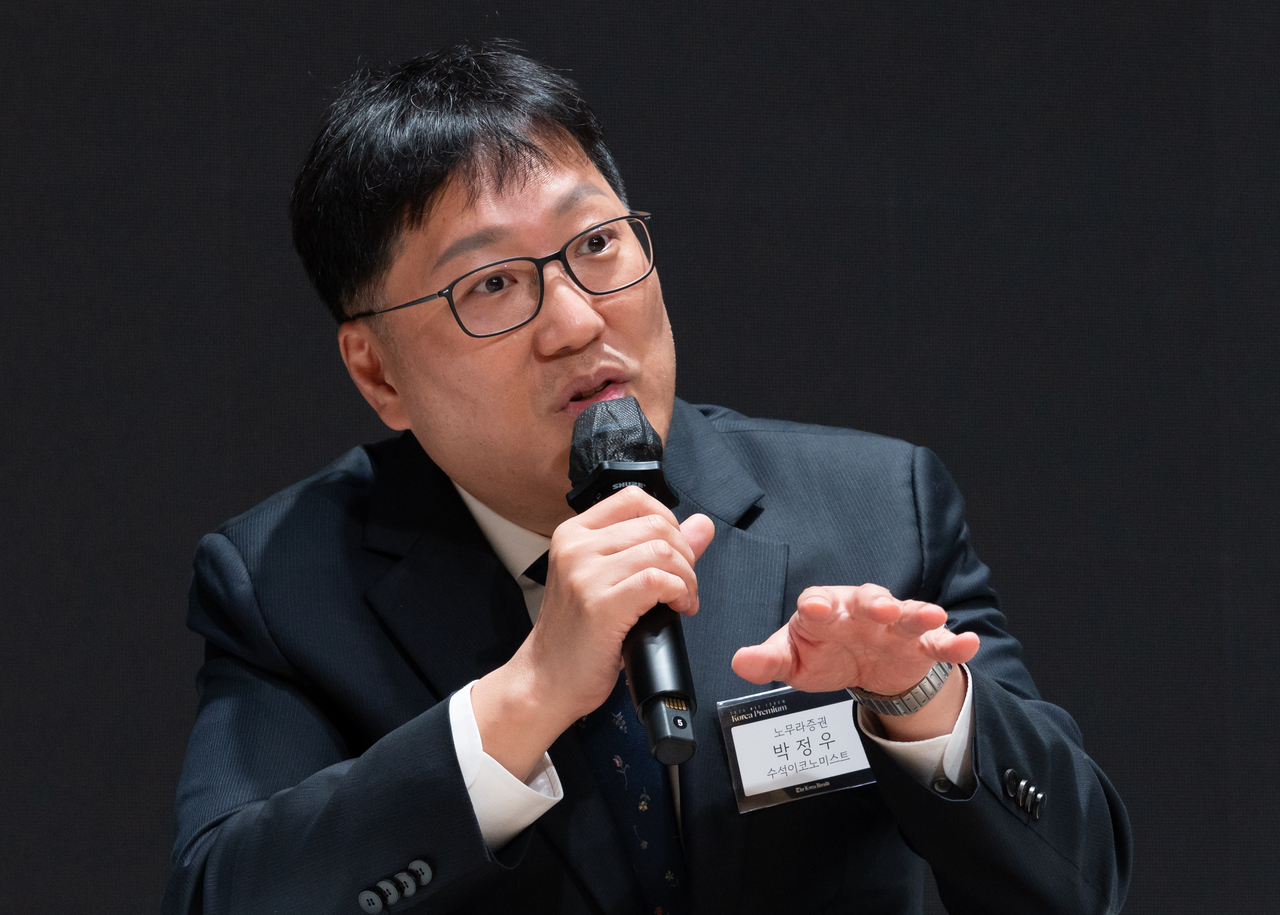
Park noted that Japan, which Korea has often looked to as a model for corporate governance reform, took years to produce tangible results.
“In Japan’s case, it took more than a decade for such efforts to bear visible results. If we continue on this path with patience and consistency, Korea will also see positive results,” he said.
Benzimra said greater stability would also be needed to strengthen global investors’ confidence, particularly after the Korean market’s sharp swings this year.
“Perhaps one of the most important factors is market stability — in other words, the level of fluctuations and volatility,” he said.
“Even after the decline in volatility we have seen in recent weeks, the VKospi, Korea’s so-called fear gauge, remains relatively elevated compared with other major developed equity markets.”
The Kospi’s rapid gains earlier this year prompted foreign investors to sell shares as they rebalanced their portfolios. Treves, however, described the selling as a natural response to the rally rather than evidence of weakening confidence in Korea.
“Taking profits in a rising market is simply a natural part of portfolio management. It is nothing to worry about. I do not think any of our investors are really worried about Korea’s longer-term story,” he said.
Seok stressed that Korea must become less dependent on economic and industry cycles if it wants investors to take a longer-term view.
“With corporate governance reform, if Korea can become a market where returns on equity improve structurally, rather than one that is driven by cyclical factors, that would create a foundation for investors to take a longer-term view,” he said.
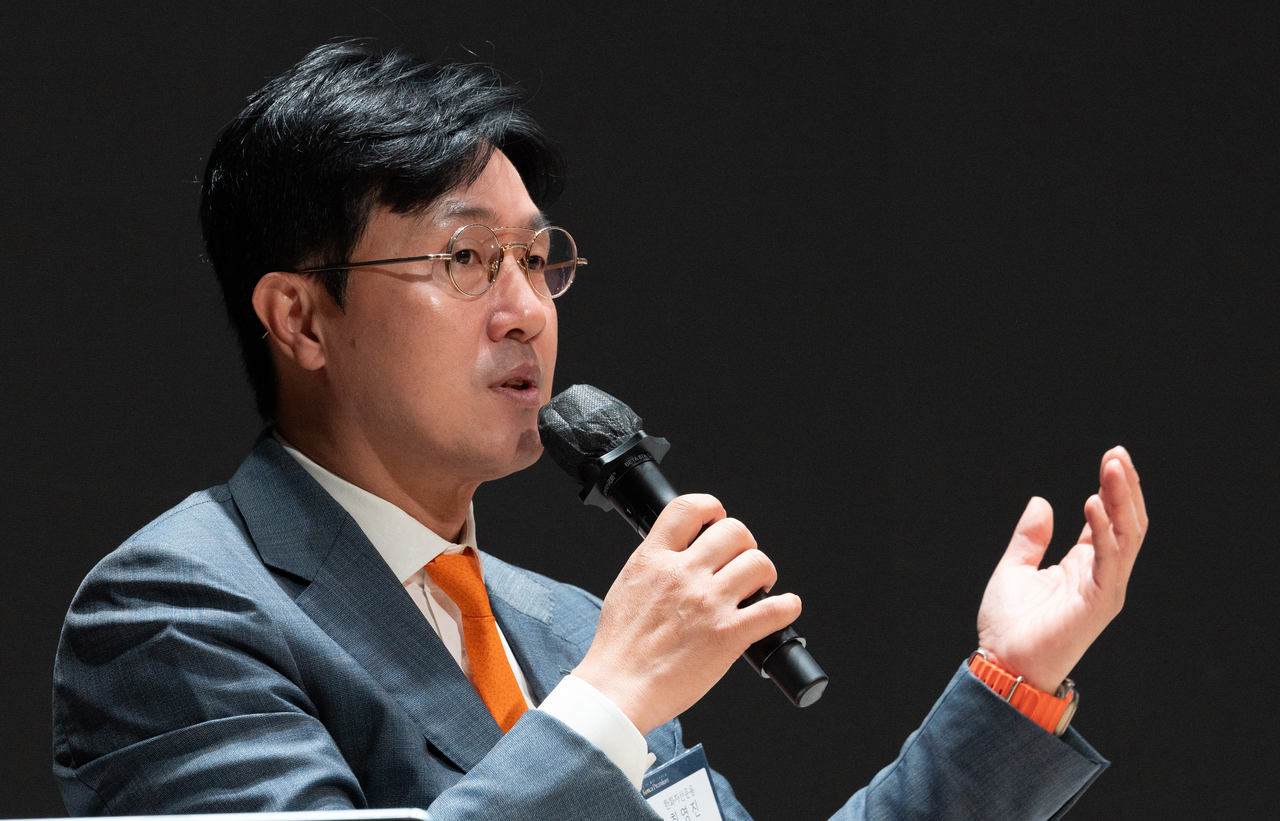
Choi highlighted the roles of companies, policymakers and other stakeholders in creating sustainable shareholder value.
“Korea needs to become more transparent, and corporate growth ultimately needs to translate into returns for shareholders. Those returns need to be sustainable over the long term, rather than being short-lived,” he said.
MSCI upgrade may bring trade-offs
Korea’s long-running pursuit of developed market status at MSCI may not necessarily deliver the investment benefits commonly associated with an upgrade, panelists said. Moving out of the emerging market category could even reduce Korea’s prominence in global portfolios.

Treves challenged the assumption that developed market status would automatically benefit Korea from an investment perspective.
“In investable terms, Korea going from ‘emerging’ to ‘developed’ status could be profoundly unhelpful,” he said.
Korea has long sought inclusion in MSCI’s developed market index as part of efforts to align its market infrastructure with global standards and improve access for foreign investors.
Treves noted, however, that many US institutions gain exposure to Korea through global emerging market strategies rather than dedicated single-country funds.
If Korea were reclassified as a developed market, its equities would have to compete for attention and capital against much larger US and European markets.
“Why would you want to be one of the biggest fishes in a small pond rather than a very, very small fish in an enormous pond?” he said.
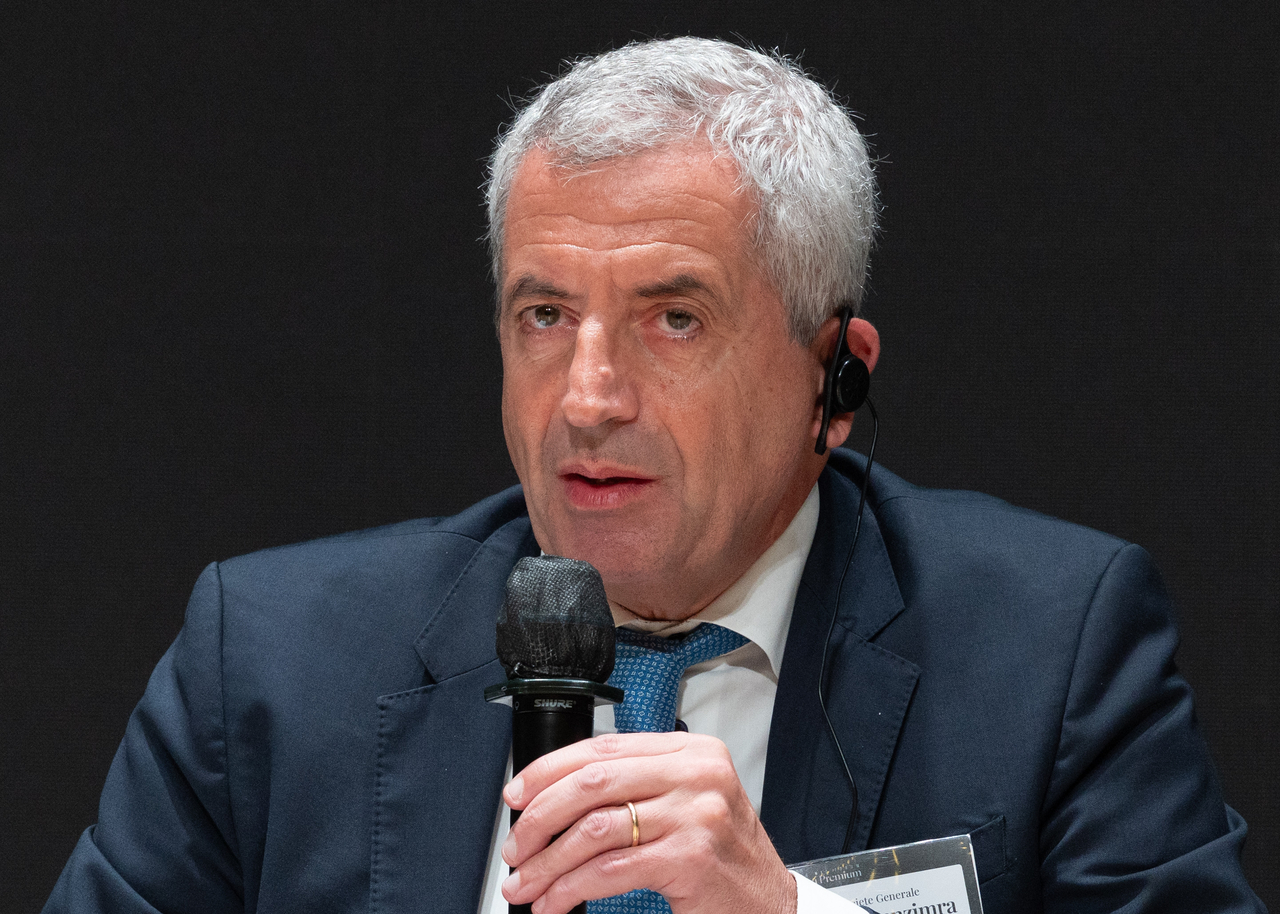
Benzimra pointed to market depth and volatility as additional concerns that could complicate Korea’s transition into the developed market universe.
Despite the large number of listed companies in Korea, questions remain over how many offer sufficient liquidity as markets compete for global capital, he said.
“A lot of brokers did some simulation of what would happen if MSCI moved Korea from emerging markets to developed markets,” Benzimra said. “Our own research did the math, and we ended up with some outflow, all things being equal.”
Beyond chips
Although Korea’s market rally has been concentrated in semiconductors, the country’s manufacturing capabilities and growing strategic importance could support a broader rerating, the panelists said.
“In the current environment, global capex is a very important theme, whether in relation to national security, industrial policy or a number of structural changes taking place globally,” Benzimra said.
He identified batteries and industrial engineering as two areas of underlying strength in the Korean equity market.
“Batteries are an interesting example. Chinese companies hold leading positions in the industry, but their market share in the US is smaller or even zero. This benefits Korean battery companies,” he said.
“Industrial engineering is another example. Taking my home country again, France has a very strong nuclear industry, but we no longer have any pure-play listed companies in the sector. Korea, on the other hand, has one of the few major listed players in the world in nuclear engineering.”
Doosan Enerbility, Korea’s largest manufacturer of nuclear power equipment and plants, is listed on the Kospi.
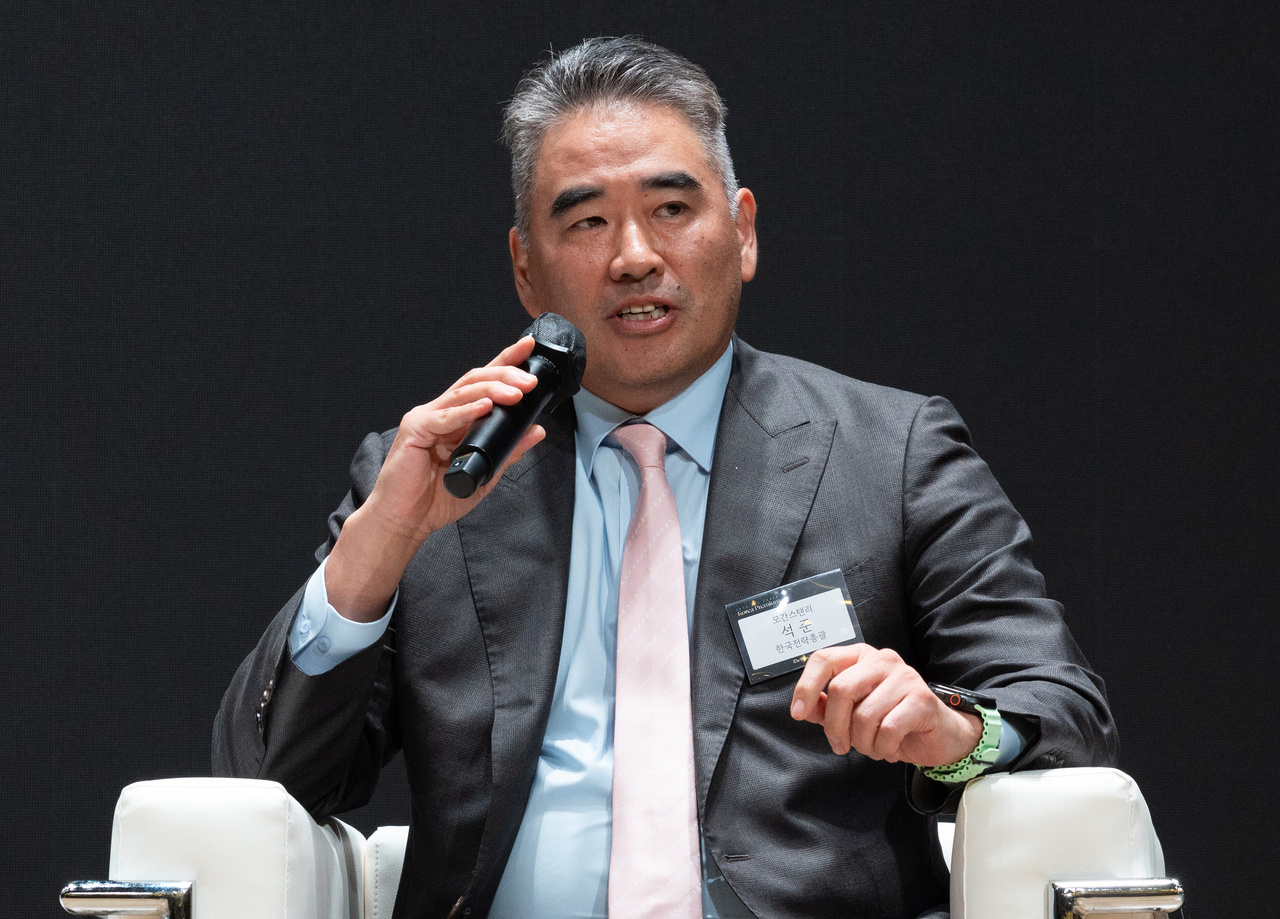
Seok said geopolitical realignment is creating structural demand for countries capable of supplying defense equipment and other strategic goods, placing Korea in a favorable position.
“In recent years, the world has been moving toward a multipolar system, meaning geopolitical risks are continuing to increase. The defense sector has traditionally been dominated by the US and Europe, but Korea is filling part of that gap,” he said.
“Across major themes such as the multipolar world, AI and the energy transition, Korea is perhaps the most suitable emerging market destination for pure-play investment.”
By Im Eun-byel (silverstar@heraldcorp.com)