
Kolon Industries is expanding its high-value materials portfolio across automotive, medical and artificial intelligence-related markets, targeting about 200 billion won ($145 million) in sales from modified polyphenylene oxide as production ramps up.
The chemical company has added production capacity and commercialized new materials in the second half of this year while carrying out operational excellence and AI transformation projects across its operations. It also plans to strengthen research and development capabilities as it expands into higher-value applications.
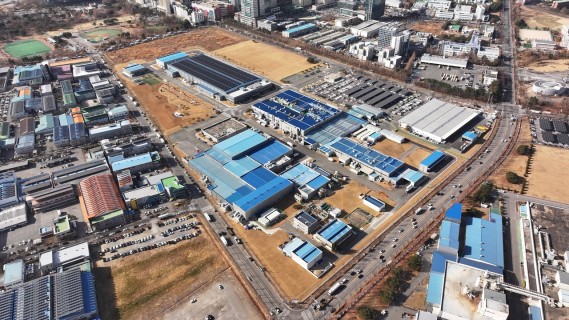
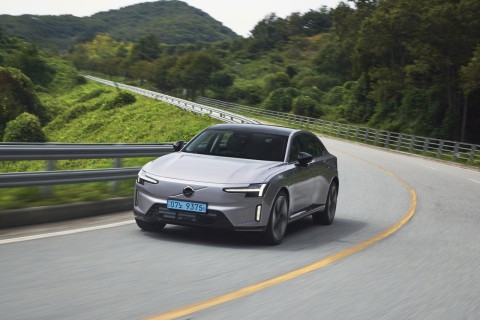
In July, Kolon Industries completed an additional polyurethane artificial leather production line at a Gimcheon plant in North Gyeongsang Province. Polyurethane artificial leather, used in vehicle seats, door trims and consoles, combines the texture of natural leather with durability and processability. The company said demand has grown as automakers are reducing their use of natural leather.
A month later, it began commercializing Kocetal Eco-E, a low-carbon polyacetal made with E-methanol produced using renewable energy rather than fossil fuel-based methanol. It is used across automotive, electronics and medical applications because of its low friction, wear resistance and dimensional stability. The company described Eco-E as the world's first low-carbon polyacetal commercialized for medical applications and plans to expand sales into automotive and electronics markets.
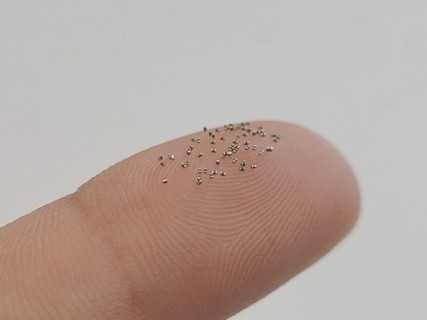
In September, Kolon increased production capacity for mPPO, a material used in high-performance copper-clad laminates for semiconductor circuit boards. Its low-dielectric properties help reduce electrical signal loss and heat generation in applications including AI accelerators and 6G communication devices. According to the company, mPPO offers low-dielectric performance about three to five times better than epoxy resins used for similar purposes.
The company also received the IR52 Jang Young-shil Award in August for its high-performance spun-bond nonwoven products. Made with 100 percent recycled raw materials, the products can reduce carbon emissions by up to about 43 percent compared with conventional production, Kolon Industries said.
“Based on accumulated materials technologies and preemptive investments, we will continue to locate new business opportunities in growth markets (and) lead them into tangible outcomes,” Kolon Industries President and CEO Huh Sung said.
By Lim Ye-jin (yejinlim@heraldcorp.com)