
Overseas selling pushes Samsung's foreign ownership back to 2008 financial crisis levels despite record earnings, while SK hynix holdings also fall below 50 percent
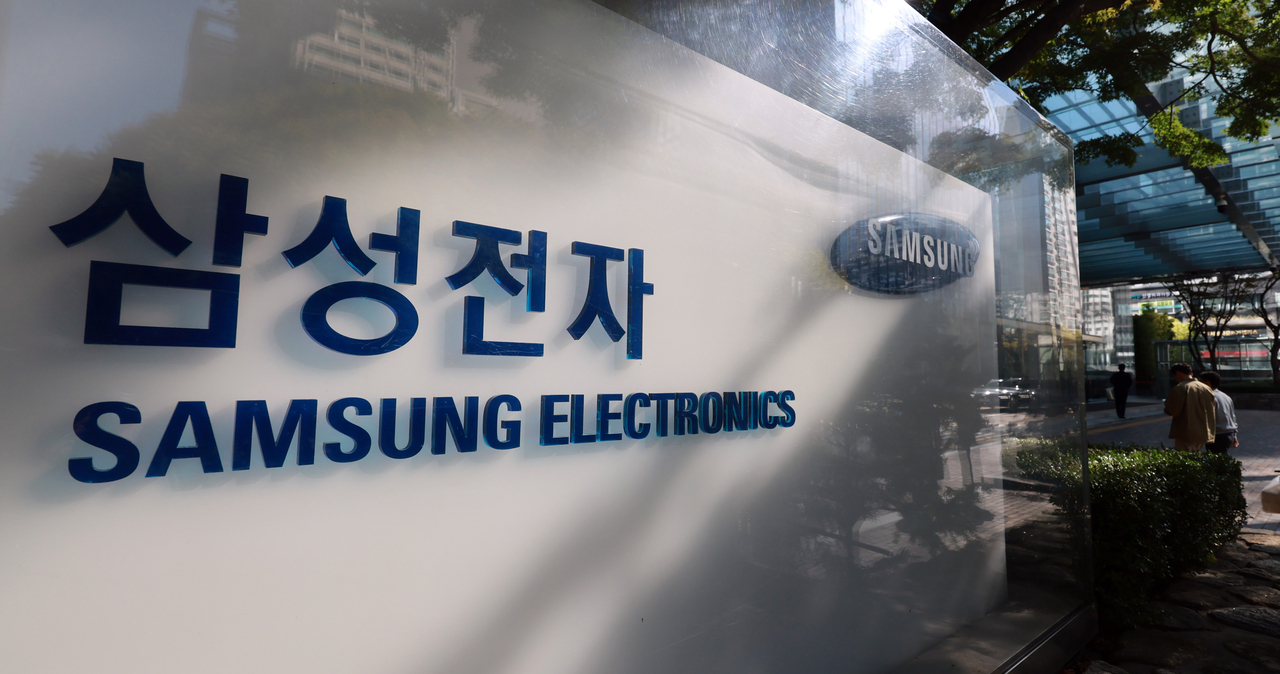
Foreign ownership of Samsung Electronics has fallen to its lowest level in nearly 19 years as record quarterly earnings fail to halt overseas investors' retreat from South Korea's biggest stock.
Foreign investors held 46.38 percent of Samsung shares as of Thursday, according to Korea Exchange data. The stake touched 46.37 percent on Tuesday, its lowest since Jan. 11, 2008, when it stood at 46.35 percent.
The latest figure is down 6.02 percentage points from a peak of 52.40 percent early this year. Ownership slipped below the 50 percent mark in March and below 47 percent in July, even as the broader market rallied.
Foreign ownership of SK hynix has also dropped, reaching 49.59 percent from an early-year high of 54.64 percent. The stake slipped below 50 percent in late September. Net foreign selling of Kospi shares has exceeded 197 trillion won this year ($147 billion).
Samsung on Thursday reported preliminary third-quarter operating profit of 107.4 trillion won on revenue of 195 trillion won. The result made it the first South Korean company to exceed 100 trillion won in quarterly operating profit, but the milestone failed to stem foreign selling.
In a recent report, Yuanta Securities analyst Lee Jae-won said higher US bond yields, oil prices and selling pressure had overshadowed Samsung's earnings improvement, while the end of its share buyback weakened buying support.
The strong earnings were largely anticipated and likely limited their ability to lift forecasts for 2027 and beyond, or draw foreign investors back, Lee added.
Yet, semiconductor fundamentals remained solid, he said, citing memory prices and bottlenecks in the AI server supply chain, and advised investors to watch for calmer US bond markets and easing foreign selling before adding to positions.
"Strong earnings alone are unlikely to reverse investor flows in the current environment," Lee said. "Political and geopolitical events do not automatically bring foreign investors back."
By Choi Ji-won (jwc@heraldcorp.com)