
Breakdown prompts search for new contractor, raising concerns over potential construction delays
Korea Hydro & Nuclear Power has ended construction contract negotiations with a Daewoo Engineering & Construction-led consortium for its landmark Czech nuclear project, exposing a rift within the South Korean team behind the multibillion-dollar deal.
The state-run nuclear operator said Thursday it would begin terminating its cooperation agreement with the consortium, which includes Doosan Enerbility, and prepare a new bidding process to select a replacement contractor.
The breakdown follows more than a year of negotiations over construction costs and responsibility for expenses arising from design changes. According to industry sources, KHNP sought to reduce the consortium's original construction bid by more than 10 percent, equivalent to over 1 trillion won ($750 million).
KHNP said the two sides failed to agree on key contract terms despite extensive negotiations. The consortium, however, protested what it called a unilateral decision and urged talks to resume.
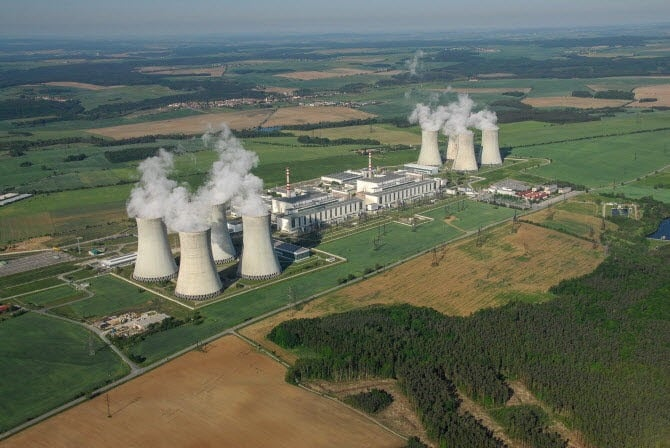
The dispute threatens to complicate preparations for the Dukovany nuclear project, which involves building two APR1000 reactors, each with a capacity of 1,000 megawatts. The project is valued at approximately 407 billion Czech crowns ($18.6 billion), or 25 trillion won.
Daewoo E&C and Doosan Enerbility were selected as construction partners in 2018 and participated in the bidding process that culminated in KHNP signing the main contract with the Czech customer in June 2025.
However, the companies have yet to finalize a construction subcontract.
In a statement Thursday, the consortium said it had agreed to accept construction unit prices submitted to KHNP in January 2024 and presented a revised proposal by the negotiation deadline that would require it to absorb financial losses.
The consortium's main objection concerned revised contract terms introduced by KHNP on Oct. 7, leaving roughly three weeks for review.
It said it had formally requested an extension until Dec. 31 to assess the proposed changes, but KHNP rejected the request.
The consortium argued that the limited review period was unreasonable given that Dukovany would be the first commercial deployment of the APR1000 reactor design.
It also challenged KHNP's proposed fixed-price arrangement, saying contractors with no control over basic or detailed reactor design should not be required to absorb substantial additional construction work without corresponding payment adjustments.
The proposed terms could threaten participating companies' financial viability, the consortium said.
KHNP maintained that fixed-price contracting was necessary to manage its obligations under its agreement with the Czech customer.
The company said it had increased its proposed payment to reflect additional work while seeking reductions where external reviews identified excessive pricing, duplicated charges and calculation errors.
KHNP proposed fixing the construction price once the basic design was approved, while the consortium sought adjustments for additional quantities identified during detailed design.
The nuclear operator argued that such adjustments would expose it to cost increases under its own fixed-price contract.
KHNP also rejected suggestions that its cost-cutting demands stemmed from an underpriced bid or financial obligations related to its settlement with US nuclear technology company Westinghouse Electric.
With negotiations stalled, KHNP plans to select a replacement contractor through competitive bidding, targeting a contract signing in July 2027 while maintaining the scheduled start of site preparation in January 2028.
The company said essential design, permitting and project management work would continue during the transition.
The consortium urged KHNP to reconsider its decision and resume negotiations in the national interest.
Other major Korean supply arrangements remain intact, including Doosan Enerbility's roughly 5.6 trillion won reactor equipment contract and a separate engineering agreement with Korea Electric Power Engineering & Construction.
KHNP said ending negotiations would not automatically terminate its existing cooperation agreement with the consortium, which requires a separate process.
The dispute nevertheless raises concerns over potential delays, additional costs and legal complications as South Korea seeks to deliver one of its largest overseas nuclear projects.
By Jo He-rim (herim@heraldcorp.com)