
Beer-maker’s shot at soju counts on existing distribution in shrinking market led by dual rivals
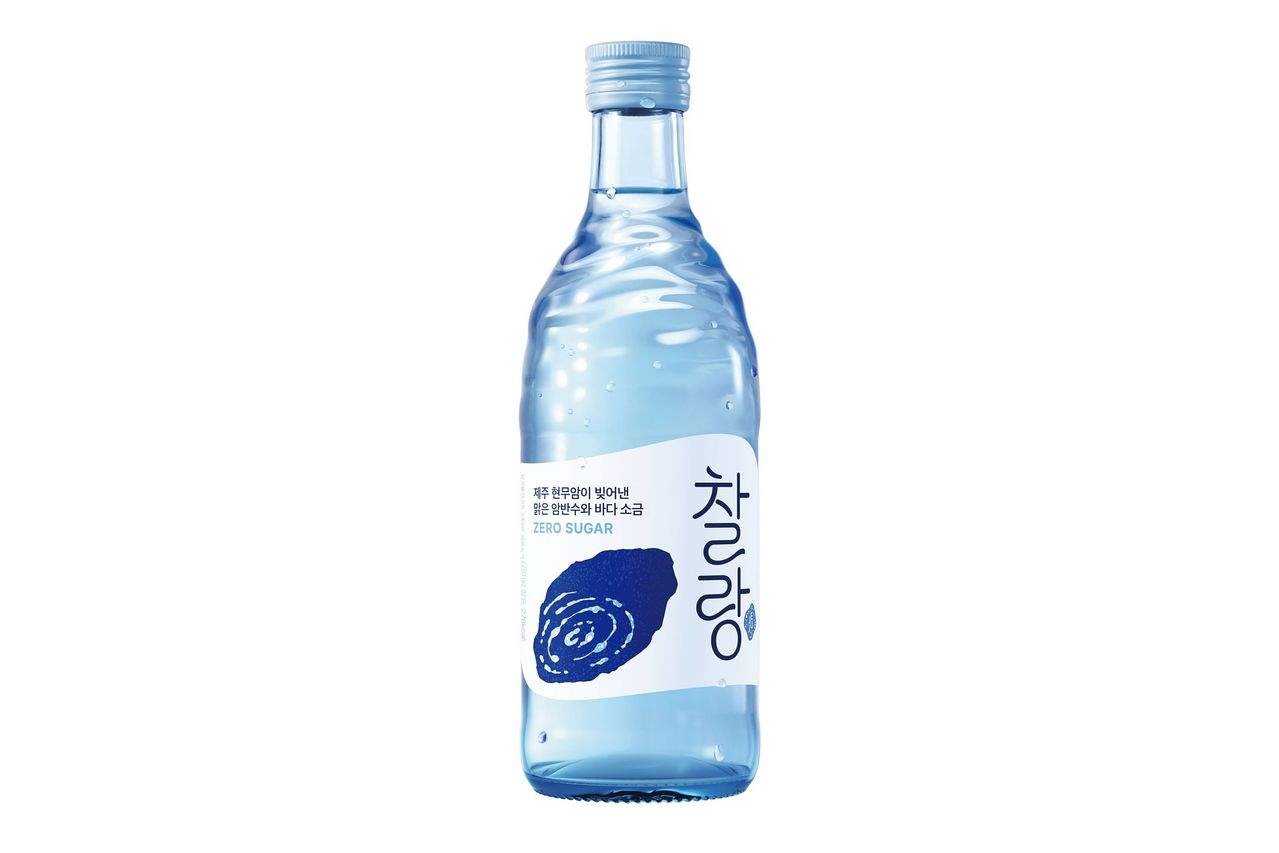
Oriental Brewery, the AB InBev-owned maker of Cass and long the dominant force in Korea's beer market, is shedding its beer-only focus. The company will launch its first soju for the Korean market on Monday, a zero-sugar product named Chalrang.
Produced by OB affiliate Jeju Soju, Chalrang marks the company's first domestic soju release and its clearest test yet of whether the acquisition is likely to pay off. OB acquired Jeju Soju from Shinsegae L&B in 2024, gaining a production base it had mostly used for export-only soju sold abroad.
"We plan to focus on a stable market entry, launching in a limited number of regions and channels while closely tracking consumer demand," an OB official said. "Whether to expand further will depend on a broader review of market response and sales trends."
For OB, the debut serves to diversify its offerings past its beer mainstay, giving consumers more varied products to choose from.
Until now, Cass had no soju partner of its own for somaek, the popular beer-and-soju cocktail, forcing pairings with rivals' products. Chalrang also follows a lighter-drinking trend, carrying an alcohol content of just 15 percent, lower than the 15.7 percent rivals have settled on.
Other soju slingers are unlikely to sit still, however, as Hite Jinro and Lotte Chilsung Beverage have both cut proof and expanded zero-sugar lines in recent months.
Hite Jinro held a 66.2 percent share of Korea's soju market last year, according to industry data, with Lotte Chilsung trailing at 17.6 percent, meaning the two together accounting for nearly 84 percent of the market.
OB is entering a market that is not just entrenched by the duopoly, but shrinking, weighed down by an aging population, fewer corporate social gatherings and a broader health-conscious shift.
National Tax Service data shows that standard soju, the mass-market style diluted from neutral spirits, saw shipments fall to 793,000 kiloliters last year, down 2.8 percent and below the 800,000 kiloliters for the first time, extending a multiyear slide from 862,000 kiloliters in 2022.
Yet industry officials point to OB's ability to draw on the restaurant and bar network it built through Cass. "OB's entrenched network across a variety of sales channels will be a powerful weapon for getting its new soju to market quickly," one official said.
That matters especially since soju is linked to strong regional loyalty and brand attachment, they added.
It remains uncertain whether Chalrang's flavor, defined by its Jeju-sourced volcanic waters, will win over consumers. Assured, however, is a marketing rivalry poised to flare up over shelf space and brand visibility.
OB recently rolled out a launch campaign across Seoul, featuring outdoor ads inspired by the scenery of Jeju Island, online promotion and a flagship store pairing the soju with matching food.
"This campaign introduces not just Chalrang's taste, but the brand's story, so consumers can experience it during everyday meals and gatherings," the company official said.
By No Kyung-min (minmin@heraldcorp.com)