
Hydrogen Council CEO points to Hyundai Motor’s coordinated approach, urges policy certainty to unlock investment
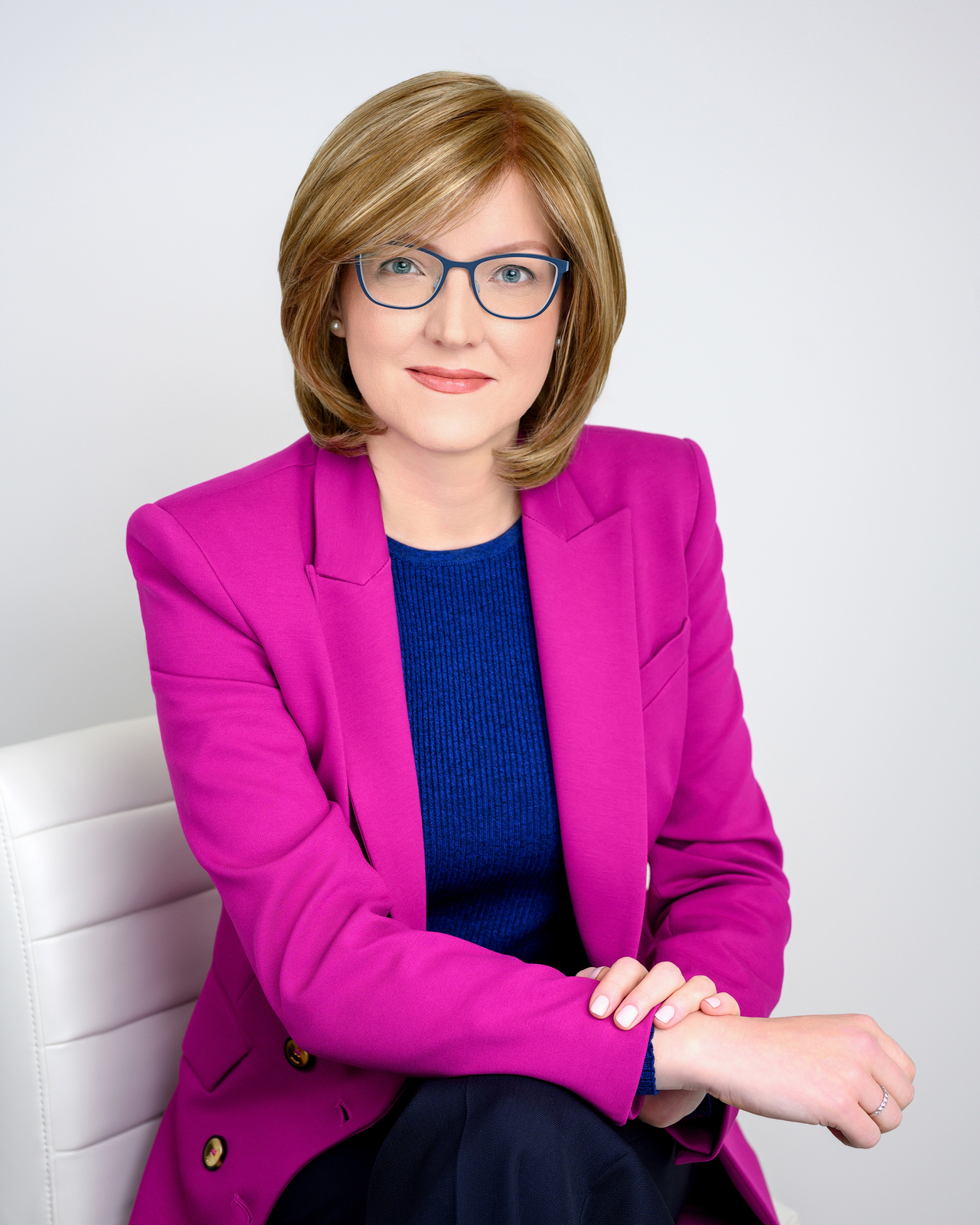
South Korea’s efforts to develop hydrogen production and customers together offers a model for an industry struggling to get either side to commit first, according to Hydrogen Council CEO Ivana Jemelkova.
But turning coordinated projects into a larger market will require governments to give investors greater certainty about future demand, she told The Korea Herald in a recent virtual interview.
Producers are reluctant to build costly facilities without committed buyers, while potential customers hesitate to invest in hydrogen-based equipment without a reliable, affordable supply. Korea’s approach brings producers, industrial users and public authorities together to tackle both problems at once.
“When we came out of the CEO Summit (held in Korea) last year, we all agreed that we should learn from the Korean example,” Jemelkova said. “It is really that relentless focus on alignment and coordination and bringing the players together around not only a shared vision but a joint execution.”
The Hydrogen Council, an industry-led organization, sees such coordination as essential to moving projects from announcements to commercial operation.
Under what Jemelkova described as the “K-Hydrogen Model,” companies including Hyundai Motor Group and SK Group work with government bodies to bring together demand from sectors such as logistics and public transport. The aim is to give producers a clearer picture of future sales while ensuring customers have access to fuel.
Reflecting on discussions with Hyundai Motor Group Vice Chair Chang Jae-hoon, who also serves as co-chair of the Hydrogen Council, she said Korea’s experience illustrates why production and consumption need to develop together.
Building supply around customers
Jemelkova pointed to a Hyundai-led waste-to-hydrogen project in Cheongju, North Chungcheong Province, as a practical example.
Featured in the council’s Global Hydrogen Compass 2026 report, the plant was completed in July and converts local sewage and organic waste into hydrogen for transport.
It illustrates a “‘produce locally, consume locally’ model to lower transport costs and enhance project economics,” she said. Producing fuel close to users reduces reliance on long-distance deliveries from coastal supply hubs.
The broader strategy is to concentrate producers, customers and infrastructure in locations where they can support one another, rather than developing each part separately.
European companies are pursuing a similar approach. At IAA Transportation 2026 in Germany earlier this month, an alliance including Daimler Truck, Volvo Group, Toyota and Air Liquide announced plans to coordinate vehicle deployment, refueling stations and fuel supply across major logistics regions.
For resource-constrained economies such as Korea and Japan, Jemelkova said, hydrogen development centers on fuel-cell technology, transport networks and import infrastructure. These capabilities can help diversify energy supplies while creating markets for hydrogen produced elsewhere.
Policy must turn interest into demand
Korea’s experience also shows how policy changes can reshape the market for producers.
The country pioneered a clean hydrogen power bidding market under its Clean Hydrogen Portfolio Standard framework. But the council’s report noted that the annual bidding target fell from 3,000 gigawatt-hours in 2025 to 500 GWh in 2026.
The reduction primarily reflected the government’s decision to exclude ammonia co-firing at coal plants as part of its coal phase-out strategy. The shift narrows one source of prospective demand, raising the importance of a clear path for other eligible projects.
Jemelkova said long investment cycles make policy consistency essential.
“A key priority, from our perspective, for the updated rulebook (for Korea’s CHPS) should be to enable a broader, more diversified supply base. That means clear eligibility criteria, a multi-year volume trajectory and predictable auction schedules.”
The same concern extends beyond Korea. In the council’s survey of global CEOs, 84 percent identified firmer demand as their leading priority for building the clean hydrogen economy, Jemelkova said.
Jemelkova also warned that discussions in the EU about replacing binding industrial hydrogen quotas with nonbinding targets could weaken investor confidence and slow investment decisions.
The council’s report estimates potential annual clean hydrogen demand of 11 million metric tons by 2030, but says only 6 million tons is backed by firm policy frameworks. Closing that gap will require governments to translate ambitions into rules that companies can use to plan investments and secure financing.
For Jemelkova, Korea’s coordinated approach offers a starting point. The next challenge is to give those projects a dependable market.
“Now it’s no longer about technological readiness. … The number one priority is to turn policy commitments into predictable, bankable demand,” she said.
By Byun Hye-jin (hyejin2@heraldcorp.com)