
Burger King’s first-ever Whopper fine dining signals Korean operator’s push for W1tr sales this year
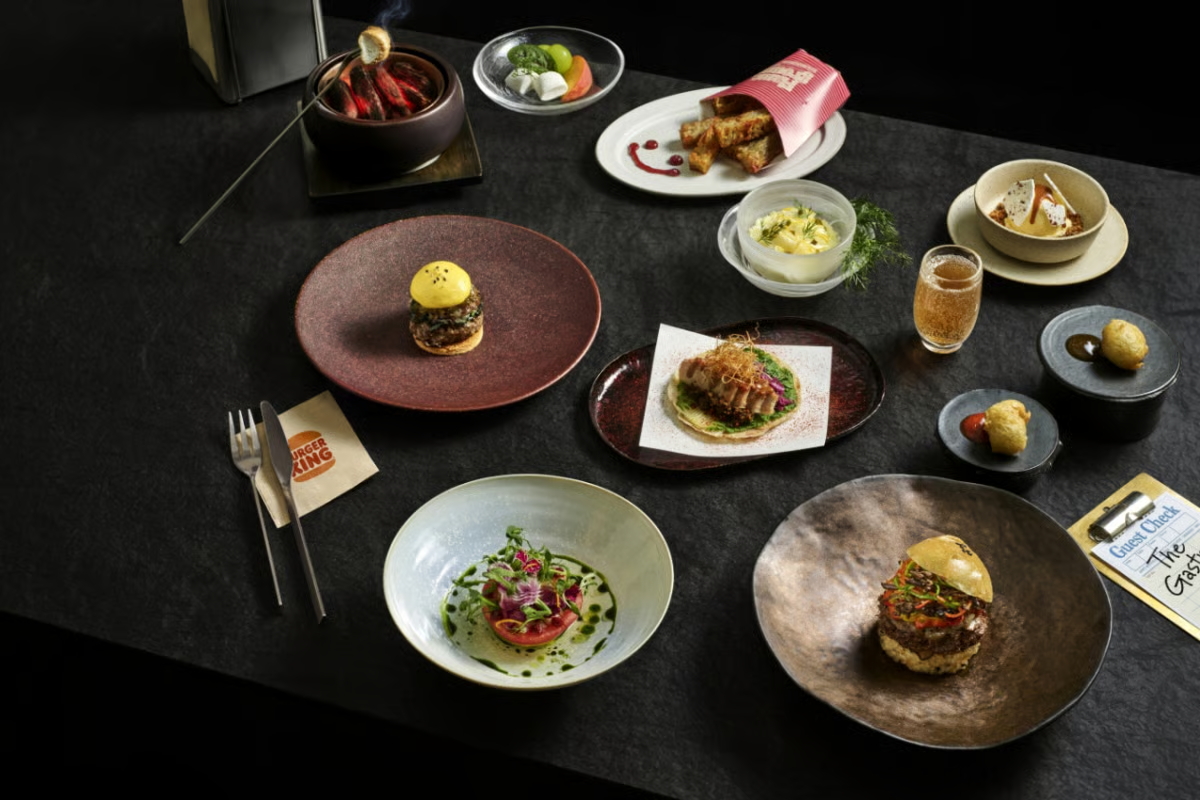
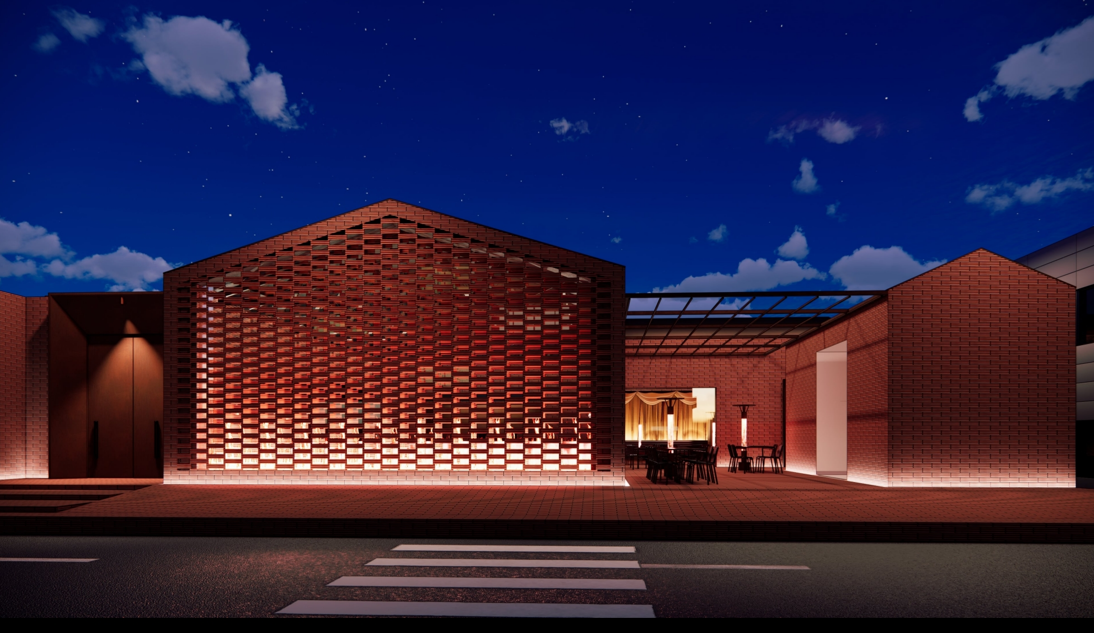
Most visitors to Flameground, Burger King's first global flagship in Seongsu, Seoul, arrive for its exclusive burgers, built on 70 years of flame-grilled heritage. Yet a select few venture deeper, past the broiler-themed main hall, into a ten-seat bar tucked in the back.
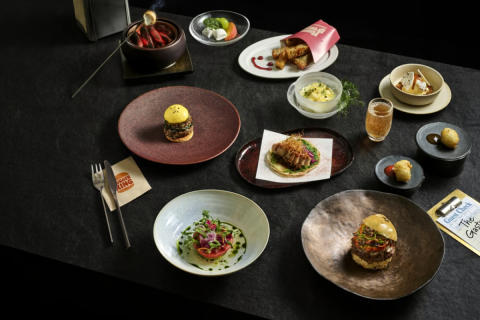
Here diners find the Gastro, a reservation-only tasting course that deconstructs the Whopper, Burger King's signature burger, layer by layer. Each ingredient gets its own Korean-accented plate. Charcoal smolders in an open kitchen, true to the course's billing as a "log of flame."
Launched in September, the chain's first outing in fine dining dishes up the sizzling ambitions of BKR, the Korean operator of Burger King and Tim Hortons, led by CEO Lee Dong-hyeong.
90-minutes of Whopper
Priced at 89,000 won per person — excluding drinks — and booked through local reservation platform CatchTable, the Gastro unpacks the Whopper over roughly an hour and a half.
Each of the eight courses takes its name from the burger and adds one layer of its flavor.
The Fresh opens light. A charred tomato with lime and kohlrabi kimchi captures the clean, crisp taste of the Whopper's vegetables. The Whopping Wrap borrows from ssam, Korea's lettuce-wrapped grilled meat, folding pork jowl and scallion kimchi into crisp flatbread. The Side follows with bite-size chicken in spicy mustard and shrimp in a sweet sauce made from jangajji, Korean pickle brine.
The Pivot cleanses the palate. Sweet Korean melon gives way to the tang of dill pickle.
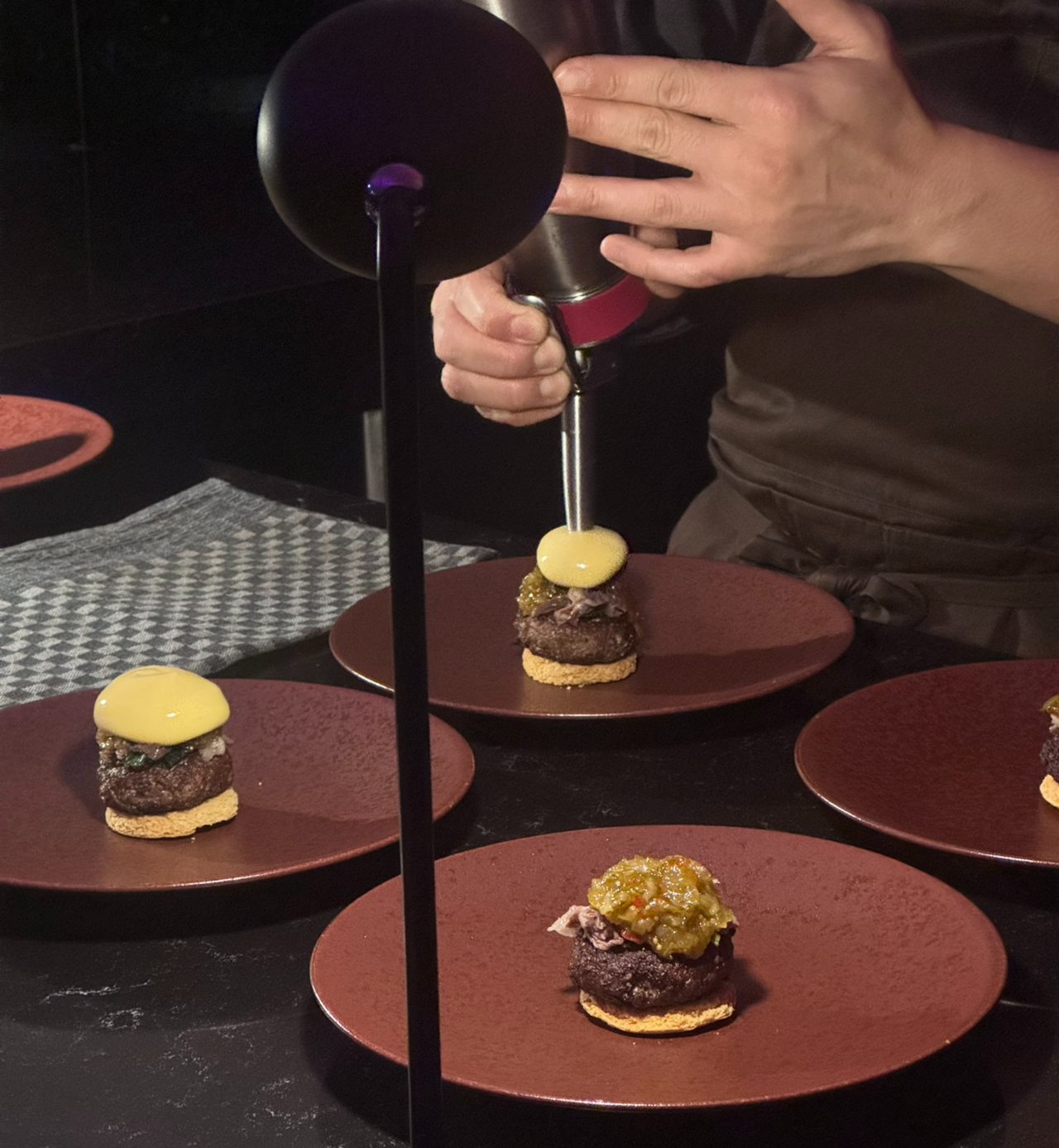
Then come the buns. The Heel, named for the bottom half, pairs a dense, beefy brisket patty with tangy relish and a smooth cheddar potato cream on a Whopper bun. Crispy fries and gochujang ketchup arrive on the side.
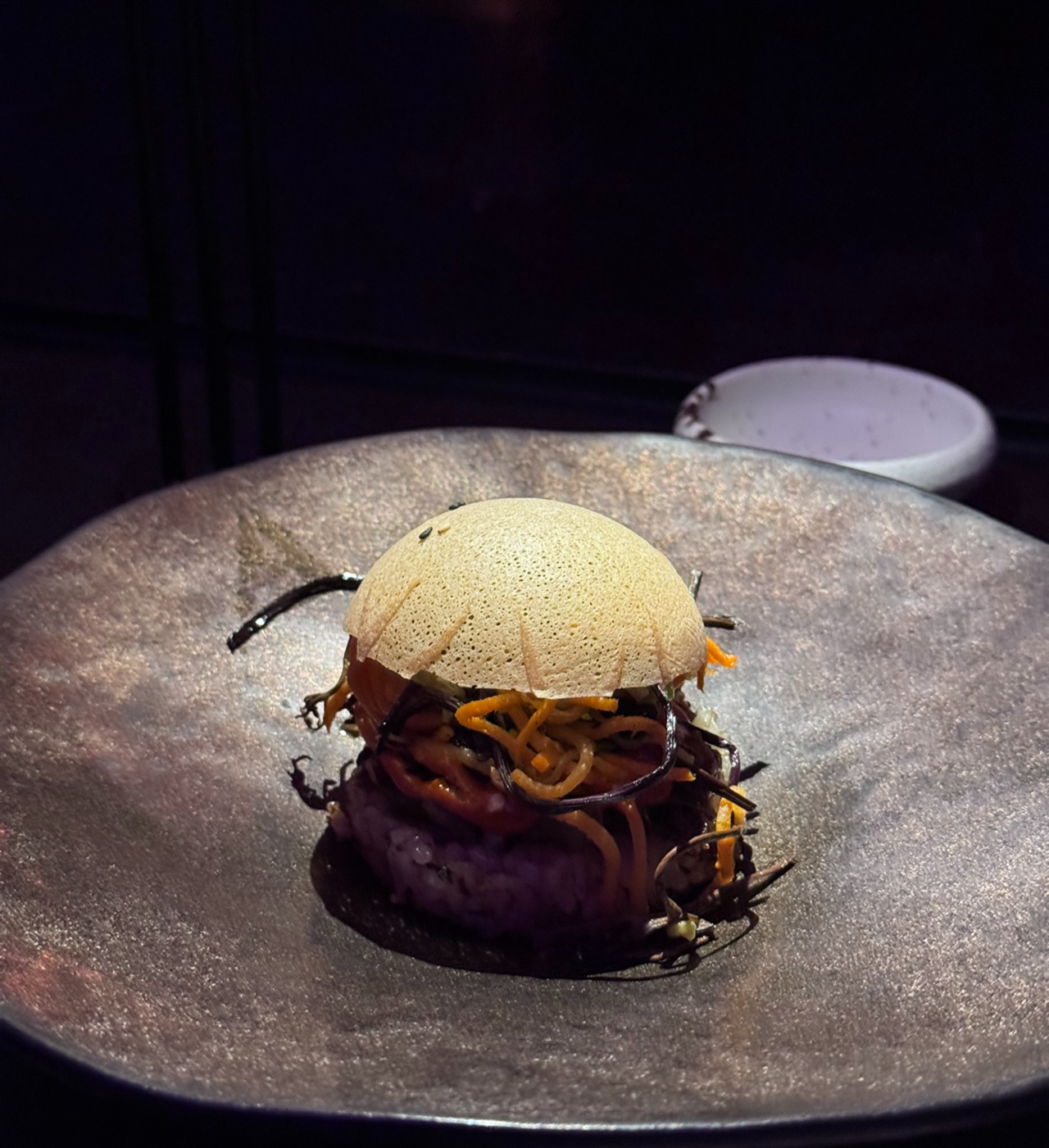
The Crown, named for the top half, gives the burger a Korean finish. A sesame tuile caps smoked braised beef and grilled greens over crisp rice. Cracked and stirred together, it all becomes a smoky, mildly spicy bibimbap.
For dessert, the Change turns onion into a sweet ice cream with no sharp edge. The Ember then brings the night's charcoal to the table for toasting marshmallows.
Drinks come with or without alcohol — 59,000 won and 34,000 won per person, respectively. The alcoholic set runs from sparkling traditional Korean liquor to red wine chosen to suit the flame-grilled theme. The alcohol-free set offers apple cider, orange juice with kimchi brine and a spiced house cola.
New front in burger wars
BKR’s fine-dining venture unfolds in a local burger market that has more than doubled in a decade, from about 2.3 trillion won in 2015 to roughly 5 trillion won in 2025 ($1.7 billion to $3.7 billion), according to Euromonitor.
McDonald’s Korea led with 1.43 trillion won in revenue, and Lotteria operator Lotte GRS topped 1 trillion won for the first time since 2017. BKR’s revenue climbed 12.5 percent to a record 892.2 billion won, while operating profit rose 11.7 percent to 42.9 billion won.
While rivals compete on the menu board, with McDonald’s building burgers around local produce and Lotteria leaning into creator and celebrity-chef tie-ups, BKR’s first-of-its-kind experiment asks how customers experience the brand past the quick-service format.
Lee sees Flameground as the next chapter of that growth story and casts the flagship as Burger King’s flame-grilled essence distilled.
"Flameground will be the starting point that shapes the brand experiences Burger King rolls out from here," he noted. Recalling Burger King’s arrival in Korea in 1984, he added, "I hope visitors feel the stubbornness and passion of a brand that has thought only about burgers for 43 years."
Korea has long served as the brand’s testing ground, debuting the Krispper line first in Asia and exporting the Seoul-born Quattro Cheese Whopper to seven countries.
With the new flagship in place, BKR now targets more than 1.1 trillion won in sales this year. Burger King’s nearly 570 stores are closing in on 600, and Tim Hortons plans to grow from 33 Korean stores to about 150 by 2028.
BKR also announced Monday that it will open Flame Lab, a research and development hub in Seoul, later this month. The lab will bring customer feedback more directly into product development and sharpen Burger King’s menu edge, a company official noted.
By No Kyung-min (minmin@heraldcorp.com)