
Exchanges cite unfinished reporting systems and unclear rules, while tax authorities insist collection can proceed
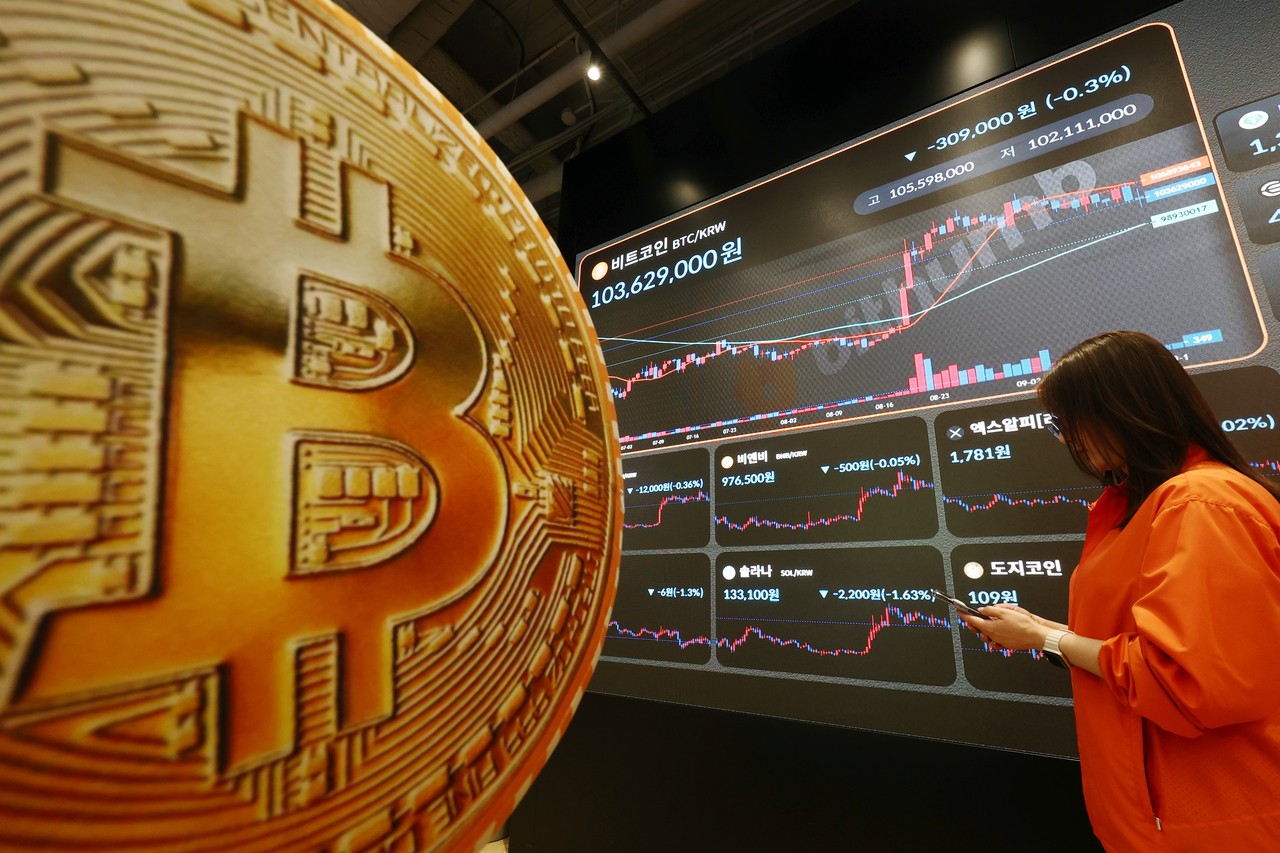
Six years, three delays and now another wait? South Korea is due to start taxing cryptocurrency income in January, but exchanges, investors and lawmakers are again asking for more time.
"Even the experts don't know how we should pay the tax," said Cho Sang-hyuk, who runs the Fireant Crypto community and is campaigning for a delay. "I've paid for consultations with tax accounting firms, but they still tell me we'll have to wait until the rules take effect."
Cho filed a petition calling for a two-year delay to build tax infrastructure and help investors calculate and report their income. It drew more than 53,000 supporters and was referred to the National Assembly's finance committee in September.
With just two months to go, exchanges and tax authorities remain divided over what needs to be in place before crypto taxation begins, fueling calls for another delay.
How the tax would work
The tax was legislated in 2020 for an initial 2022 start, but has since been postponed three times.
Under the current schedule, income from selling or lending virtual assets would be taxed from Jan. 1, 2027. Annual gains and losses would be combined, with income above a 2.5 million won ($1,887) deduction taxed at 22 percent, including local income tax. Individuals would first report and pay tax on their 2027 income in May 2028.
Losses can offset gains in the same year but cannot be carried forward. Investors could therefore owe tax in a profitable year even if they lost more in the previous one.
Why another delay?
Exchanges say they need clearer requirements before completing and testing systems to submit transaction records. Materials released by People Power Party Rep. Park Soo-young's office showed that authorities and exchanges had held 49 consultations since 2022, yet reporting systems remained unfinished.
An official at a local exchange said firms had their hands tied, as moving ahead without clear guidance could mean having to redo the work. "Even if we prepare something, we could then find that we have to change it," the official said.
Bithumb, South Korea's second-largest cryptocurrency exchange, estimated development and testing would take six to nine months after the government provided a test environment, including checks on data accuracy, NTS integration and operational stability, according to materials from Rep. Park's office.
Overseas trading adds another complication. An investor might buy a token on a foreign exchange, move it through a personal wallet and sell it on a Korean platform. The local exchange could record the deposit without knowing the original purchase price needed to calculate the gain.
This is where the Crypto-Asset Reporting Framework, or CARF, becomes central to the debate. The OECD-backed system is designed to let tax authorities exchange crypto transaction data across borders. Korea is scheduled to begin exchanges in 2027, Hong Kong and Singapore in 2028, and the United States in 2029. The US timetable matters because major platforms operate there, and investors' reportable data would not be exchanged with Korean authorities through CARF before then.
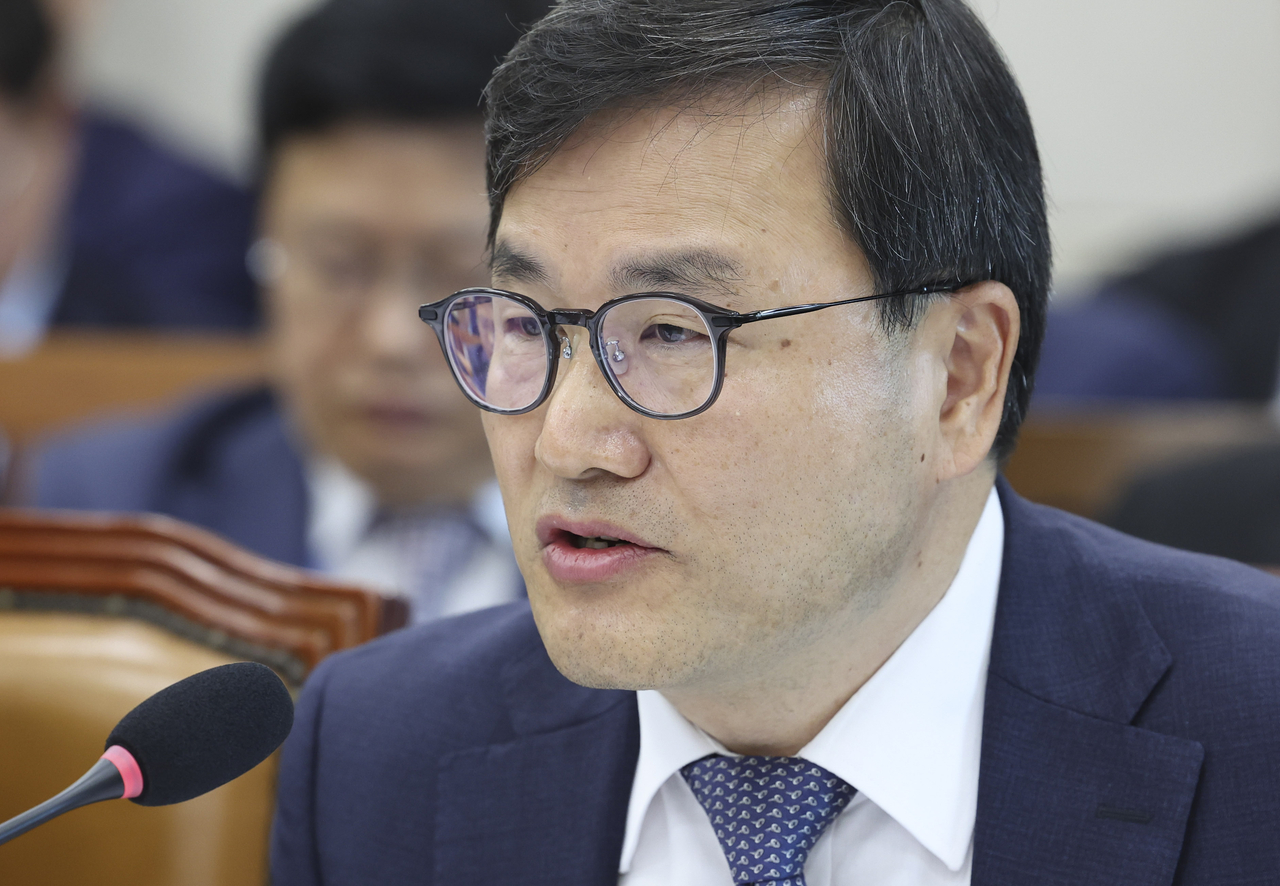
But the National Tax Service says incomplete overseas data would not by itself make taxation impossible. At a parliamentary audit session on Thursday, NTS Deputy Commissioner Park Hae-young said it was "difficult to obtain 100 percent of records from decentralized exchanges or overseas transactions." Despite this limitation, he said the agency would use CARF and overseas financial account data to minimize omissions and complete a related analysis system by the end of this year.
A source familiar with tax administration said gaps in overseas data could be addressed through follow-up checks. "It is no different from overseas real estate. The agency gathers as much information as possible, then verifies what it cannot obtain and investigates where necessary," said the source, who requested anonymity.
The NTS is already testing its system with corporate transaction records and sample data. Exchanges' first quarterly submissions under the new regime are due at the end of May 2027.
How it's done elsewhere
The United States and the United Kingdom tax crypto under domestic rules before cross-border data exchanges through CARF begin. The US treats digital assets as property and requires investors to report taxable transactions and keep records, while broker reporting is being phased in to give platforms time to adapt to the new requirements. The UK taxes individual disposals under capital gains rules.
Loss treatment also differs. Both countries allow qualifying capital losses to offset gains and carry unused losses forward, while South Korea allows only same-year netting. Japan's 2026 tax reform outline proposes a 20 percent separate tax and a three-year loss carryover for certain crypto assets, subject to changes in financial law.
Other countries have issued more specific guidance on newer transactions. The US taxes staking rewards, while UK guidance distinguishes income from capital returns in DeFi. South Korea's law does not clearly explain how staking or liquidity provisions fit its transfer-and-lending categories.
A market losing steam
The dispute comes as activity in South Korea’s crypto market has fallen sharply. The market’s reported value dropped 33 percent to 58.9 trillion won at the end of June from 87.2 trillion won six months earlier. Average daily trading volume fell 44 percent, while exchange operating profits slid 78 percent.
Investors and industry officials say a new tax could further weaken domestic trading and businesses already under pressure. Cho, who works with overseas blockchain projects seeking to reach Korean users, said he has sensed waning interest in South Korea’s crypto market. Some foreign contacts, he said, cited the tax outlook and regulatory uncertainty as reasons to look elsewhere in Asia.
Industry participants also question why taxation plans are moving ahead while the proposed Digital Asset Basic Act, which would establish broader rules for the market, remains stalled.
Hwang Seok-jin, a professor at Dongguk University’s Graduate School of International Information Security, supports taxing crypto income but says the broader legal framework should come first.
"What matters is the order," Hwang said. "If taxation comes first, the scope of taxable income may be unclear, making it difficult for taxpayers to predict what they owe. The Digital Asset Basic Act should be completed first, with detailed tax rules and infrastructure in place before taxation begins."
Several pending bills would delay the tax until 2029 or 2030, but any change requires an Income Tax Act amendment before Jan. 1.
The NTS is expected to finalize its tax notice by the end of October.
Amid the calls for a delay, Finance and Economy Minister Lee Hyeong-il said the government would weigh views from the industry and the National Assembly before deciding how to proceed.
For investors like Cho, the dispute comes down to timing: "We're not saying crypto should not be taxed. We're saying now is too soon," he said.
By Choi Ji-won (jwc@heraldcorp.com)