
Able C&C CEO credits Missha’s survival to knowing what to keep and reinvent, from signature products to sister brands, global channels

In the early 2000s, Korean cosmetics brands reached customers through standalone shops, and Missha was among the first to dot the country’s streets with them.
Although its low prices proved that good cosmetics need not be expensive, Missha nearly vanished once shoppers defected to online platforms and multibrand chains such as a fledgling Olive Young.
Far from its Korean birthplace, however, the brand has charted an improbable revival on the global stage, where parent company Able C&C now earns 75 percent of its revenue. What made it possible, according to CEO Shin Yoo-jung, was knowing what to retain and what to renew.
"What must never change is the value a brand offers its consumers, and what must constantly change is the way that value is delivered," Shin said in an interview with The Korea Herald. "History can be a competitive edge in itself, but we cannot dwell on past glory."
Bestsellers bound for abroad
A former P&G brand strategist who managed Pampers and Pantene, Shin took the helm of Able C&C in 2023. She argues that for Missha to last like those brands, it must protect its signature products while innovating wherever consumer needs remain unmet.
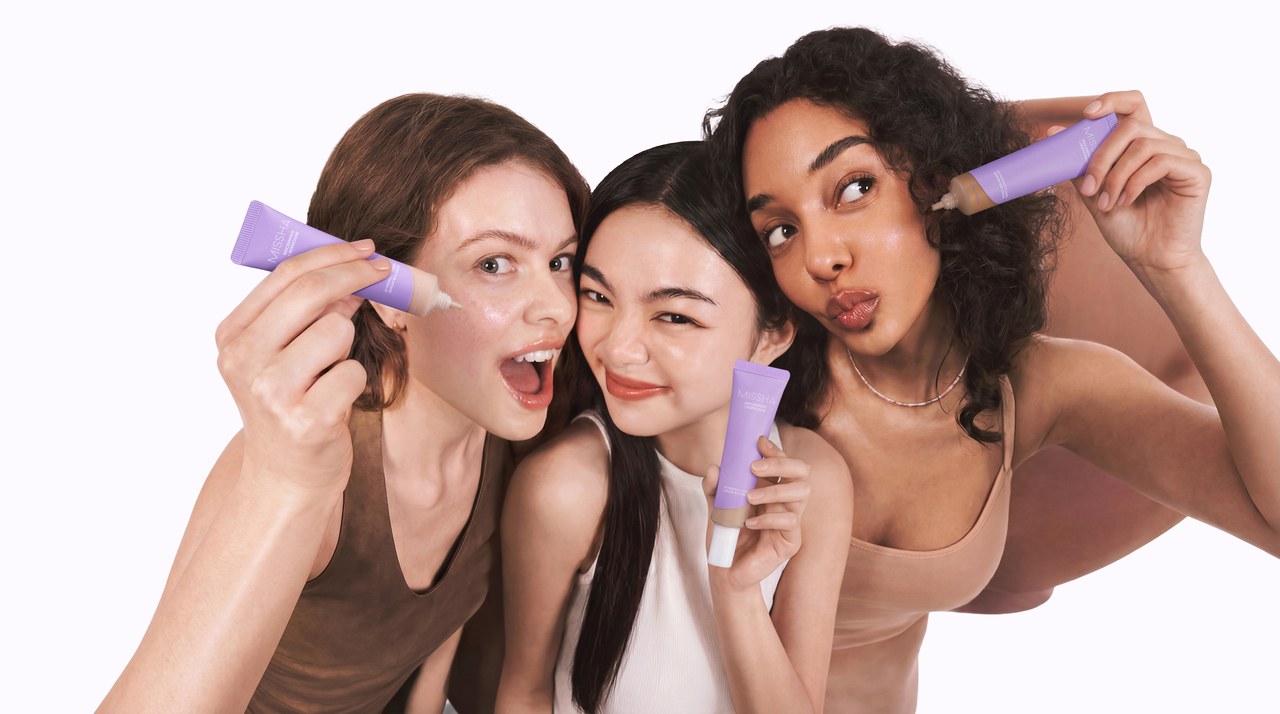
Embodying that approach is Missha’s BB cream, short for blemish balm, a tinted moisturizer that hydrates, blocks ultraviolet rays and evens skin tone. Launched in 2007, it has sold more than 100 million units worldwide.
"Our core philosophy is to protect the trust Missha has built and to evolve for new consumers," Shin stressed. "Building on the BB cream, we will keep developing hybrid products tailored to each market."
Missha has since stretched that formula into CC creams, its color-correcting cousin that targets redness and uneven tone, and into sheer skin tints, widening its shade range for American shoppers. In Japan, its Amazon bestseller is a cushion refill.
"The fact that our top seller on Amazon Japan is a cushion refill shows just how many loyal customers we have," Shin said. "People don’t buy Missha out of curiosity about K-beauty. They buy it because it’s Missha."
Its products alone, however, could not have taken Missha overseas.
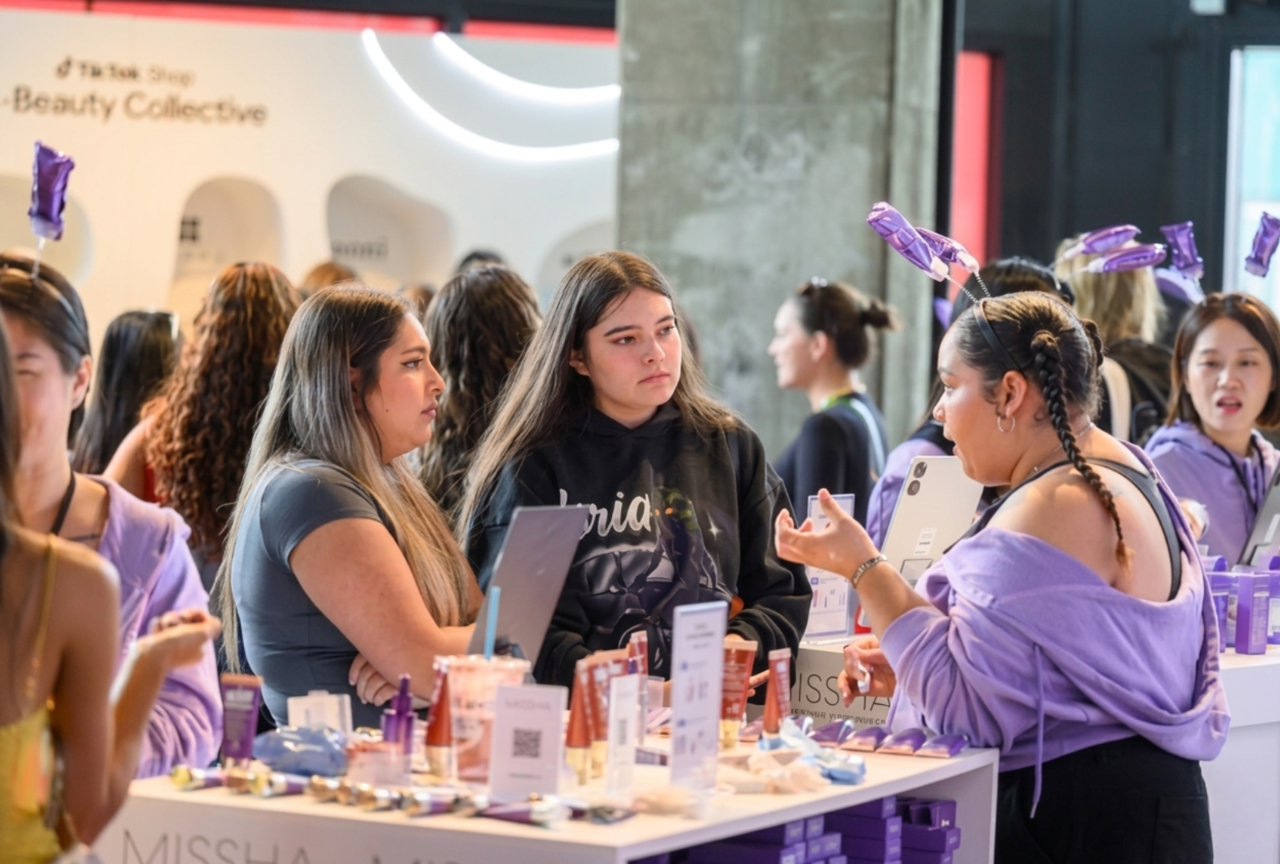
In the US, the brand started courting shoppers on Amazon and TikTok Shop before stepping into physical stores, in March opening the doors to roughly 150 Costco locations.
"E-commerce is more than a place to sell. It’s where we prove a product’s potential and hear directly from consumers," Shin said. Britain traced the same path, with TikTok Shop, Boots and Superdrug arriving in rapid order.
Continental Europe, where shoppers take their time with new brands but remain faithful once converted, requires more patience, though Missha has secured shelf space at Muller in Germany and OVS in Italy. The Middle East and Latin America lie ahead, while China and Southeast Asia warrant a more measured approach.
Drawing on that reach, Able C&C’s operating profit surged 52.5 percent from a year earlier to 10.4 billion won ($7.8 million) in the second quarter on revenue of 65.2 billion won, while sales in the United States and Europe climbed 154 percent and 48 percent, respectively.
Brands built for what’s next
Yet the company's fortunes do not rest on Missha alone, since no single label can answer the wide-ranging tastes of every customer, Shin reasoned.
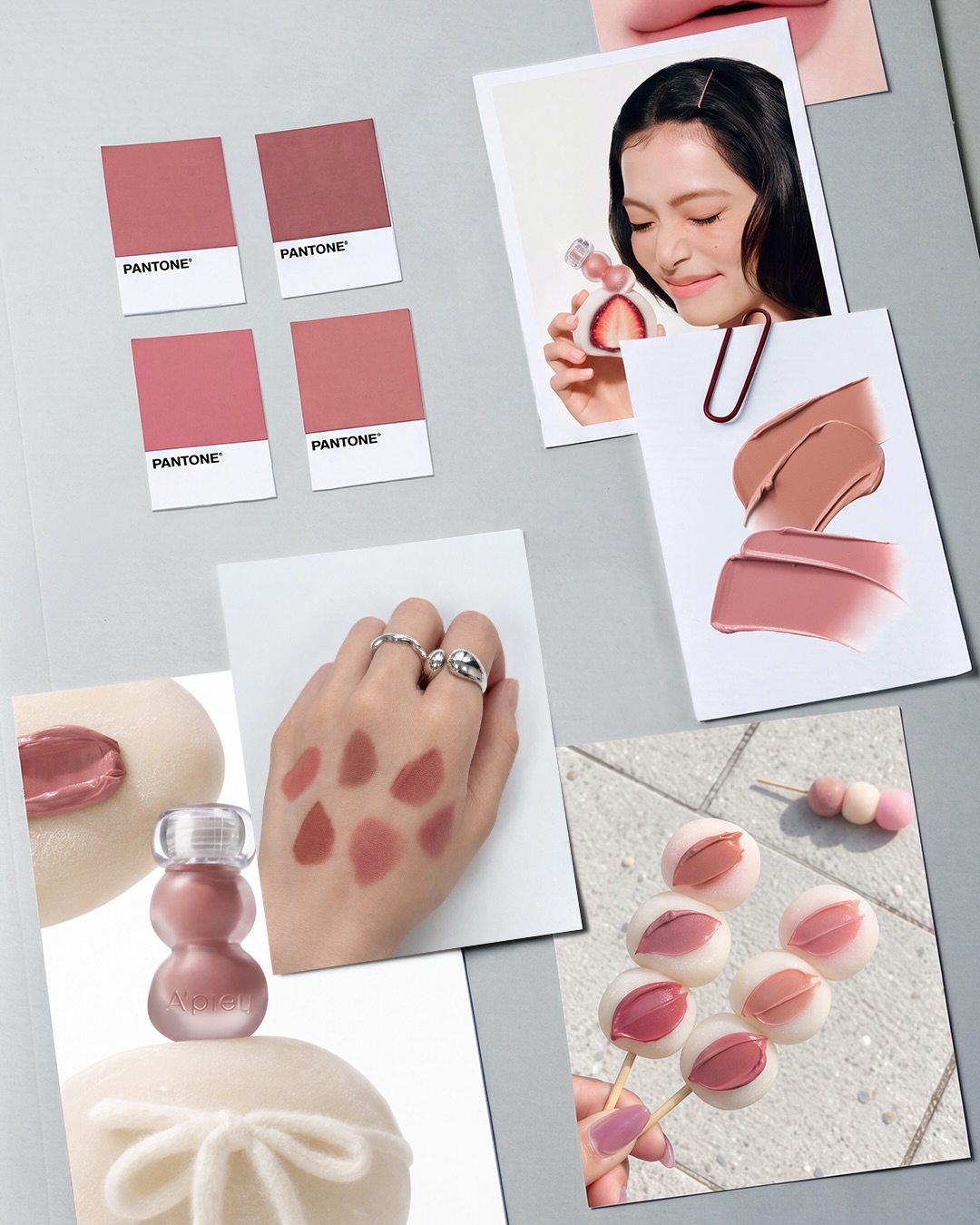
Its sister brands each target a distinct clientele. A’pieu woos younger shoppers with trendy lip, cheek and hair products, while premium herbal brand Chogongjin serves older Korean consumers. Dermatological brand Cellapy reaches customers through some 300 skincare clinics nationwide.
As for K-beauty’s future, Shin believes its next chapter depends on individual brands proving their staying power and earning repeat customers instead of one-off trials fueled by a single platform’s popularity.
"Get trapped inside K-beauty, and you’ll be ignored once K-beauty itself stops feeling new," she cautioned.
The richest opportunity belongs to makeup, long overshadowed by the skincare that made the industry famous and therefore ripe with untapped upside.
Shin pointed out that makeup is far harder to develop than skincare since shade and finish expectations vary by country and climate. Yet the blurring line between the two categories lets Korean brands channel their skincare expertise into color cosmetics.
"K-beauty makeup has to move past exporting Korea’s latest trends and offer distinctive products infused with skincare technology," Shin said. "Localize them for each country’s skin tones and habits, and the potential grows even greater."
By No Kyung-min (minmin@heraldcorp.com)