
CEOs stay put as specialists take charge of key growth businesses
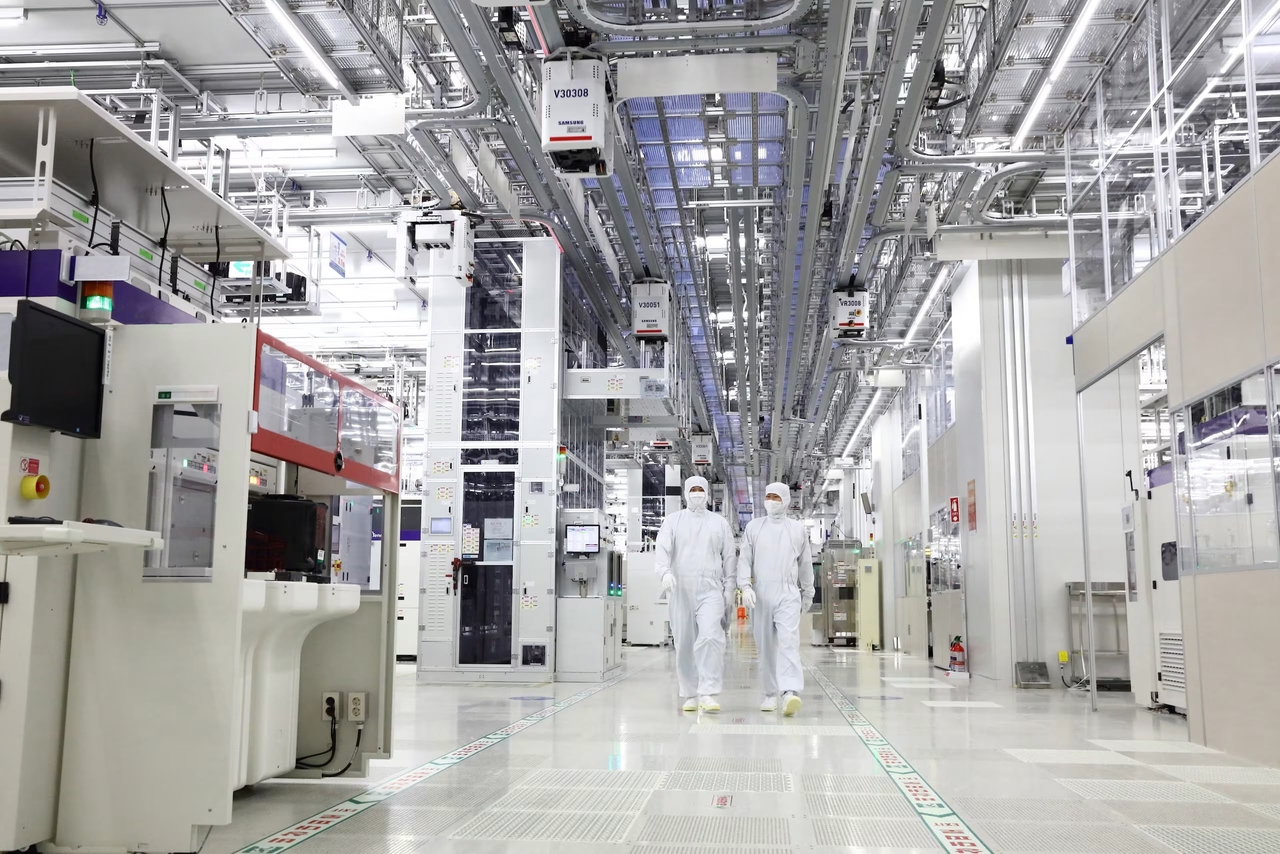
Samsung Electronics, SK hynix and LG Electronics are putting experienced executives in charge of turning the artificial intelligence boom into business results, with their latest leadership reshuffles targeting chip customers, US technology partnerships and the production of data center cooling equipment.
All three companies have retained their chief executives for 2027, but their appointments address different business pressures. Samsung needs to revive its loss-making non-memory chip operations, while SK hynix is seeking closer ties with American AI chipmakers. LG must expand manufacturing capacity to fulfill billions of dollars in cooling equipment orders.
Samsung's reshuffle on Friday promoted three semiconductor executives to president without changing its co-CEO structure under Jun Young-hyun and Roh Tae-moon.
Jun handed leadership of the memory business to Hwang Sang-joon, who oversaw the development of DRAM and high-bandwidth memory, which is used alongside AI processors. Cho Sang-yeun, previously head of Samsung's US semiconductor operations, took charge of System LSI, its chip design business.
Cho's experience with American customers is particularly relevant as Samsung seeks more orders for custom-designed processors. Its foundry business, which manufactures chips designed by other companies, also needs to narrow the gap with market leader TSMC.
Samsung has enjoyed record earnings from soaring AI memory demand, but its nonmemory operations remain unprofitable. Relieved of direct responsibility for memory, Jun can devote greater attention to the company's weaker semiconductor businesses.
Further appointments are expected this week, with possible changes in key foundry positions.
Roh also handed day-to-day management of Samsung's smartphone business to Choi Won-joon, retaining oversight of its robotics initiative. Samsung plans to expand robotics research in Seoul and establish a data collection facility in Gumi, North Gyeongsang Province, to help train robots for factory work.
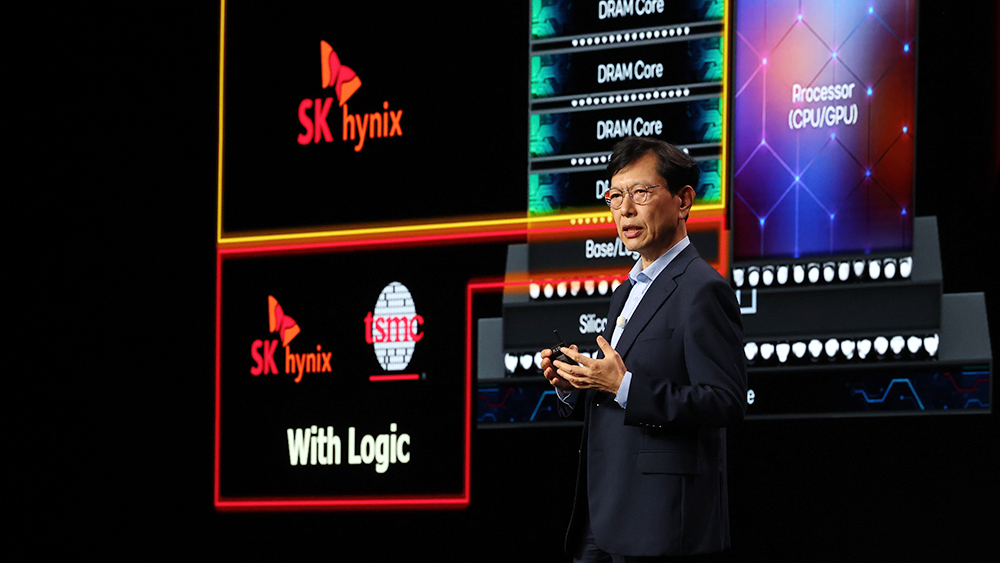
SK hynix, already benefiting from strong AI memory demand, is concentrating on its relationships with US customers.
The chipmaker retained CEO Kwak Noh-jung and appointed Ahn Hyun, who led HBM development, to head its newly established Americas division on Nov. 1.
For AI chipmakers, memory is increasingly developed in close coordination with suppliers, with performance, power consumption and packaging tailored to individual processors. Ahn's technical background could help SK hynix strengthen those relationships as competition for next-generation AI memory contracts grows.
The US accounted for 62.5 percent of SK hynix's regional revenue in the first nine months of 2026. The company is also investing more than $4 billion in an advanced HBM packaging and research facility in Indiana, targeting production in the second half of 2029.
LG Electronics has a more immediate problem: producing and delivering the cooling equipment that AI data center operators have already ordered.
LG also promoted Song Shi-yong, head of its robotics business center, as it develops robot-learning technology with Nvidia and aims to unveil a bipedal reference robot in the first quarter of 2027.
In Thursday’s reshuffle, LG established an Applied Business Division and appointed Lee Jae-hyun, previously responsible for global production and logistics operations, to lead it.
LG’s cumulative cooling solution orders rose from approximately 600 billion won ($450 million) in the first half to more than 3 trillion won by the end of September. A new manufacturing subsidiary in Virginia will help increase chiller production for US customers.
By Moon Joon-hyun (mjh@heraldcorp.com)